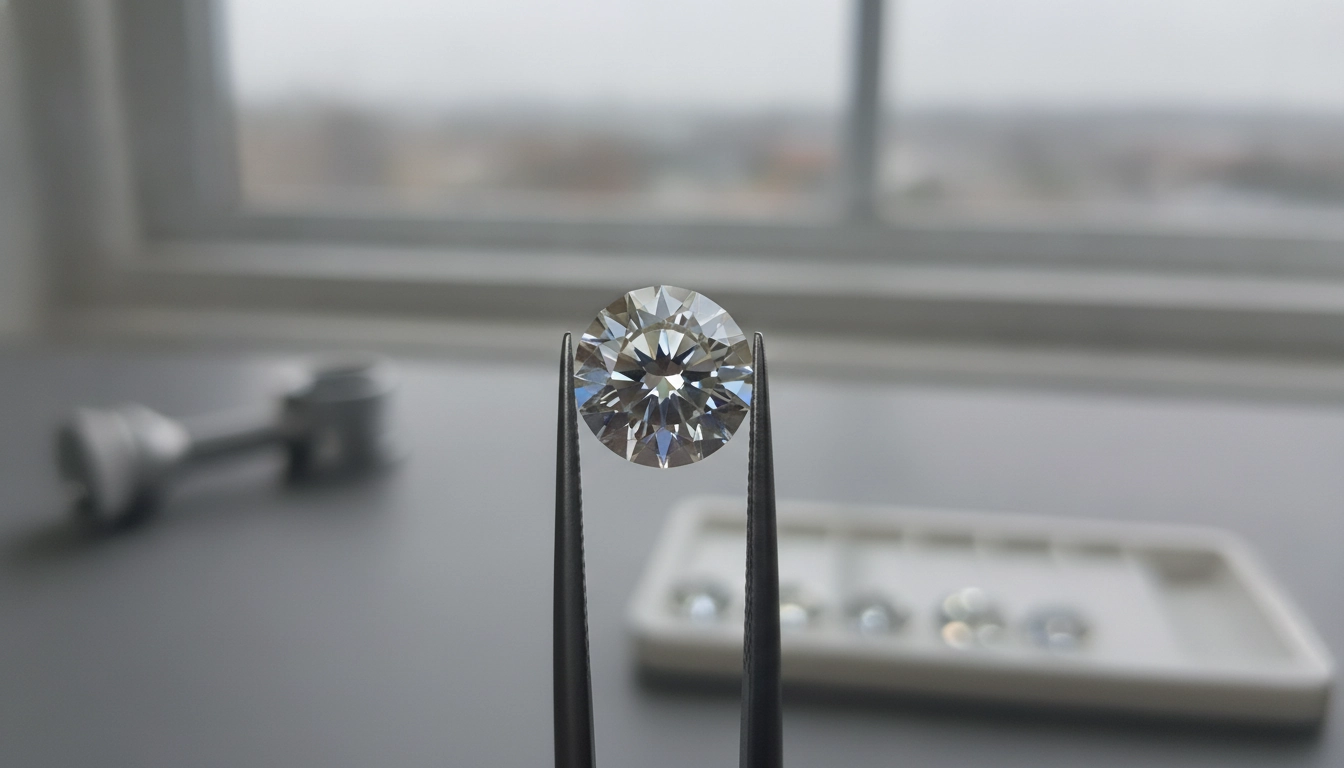
The most high quality diamond is one that combines top-tier cut quality with strong grades in color, clarity, and carat—without compromising durability or visual performance. In practice, “highest quality” usually points to a natural diamond with an Excellent (or Ideal) cut, D–F color (colorless range), and FL–VS clarity, paired with a reputable grading report (most commonly from GIA or AGS).
Cut is the biggest driver of sparkle and overall beauty. A well-cut diamond returns more light to your eye, looking brighter and more lively than a larger stone with a weaker cut. If choosing only one category to prioritize, prioritize cut.
Color describes how colorless a diamond appears. D is the highest grade (colorless), followed by E and F. Many shoppers find G–H still looks very white once set, but D–F is considered top end.
Clarity measures internal inclusions and surface blemishes. Flawless (FL) is the highest, but many diamonds graded VS1–VS2 appear “eye-clean” while costing less than FL/IF. For most settings, eye-clean clarity is a practical definition of high quality.
Carat is size, not quality. A smaller diamond can be “higher quality” than a larger one if it has superior cut and cleaner color/clarity.
Both can be high quality when graded well and cut correctly. Natural diamonds are rarer and typically cost more. Lab-grown diamonds can offer higher grades for the same budget, but long-term value and resale dynamics differ from natural stones.
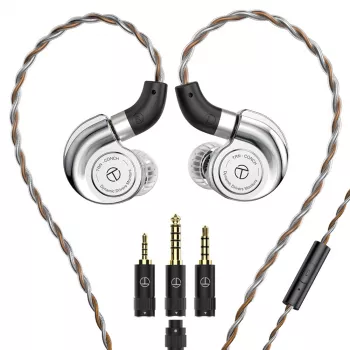
In audio gear and other precision products, “diamond” can refer to a coating, diaphragm material, or marketing shorthand rather than a gemstone grade. For a deeper look at diamond-related materials and how they affect sound and fit, see this guide to diamond diaphragm IEMs, tuning filters, fit, and sound.
Cut matters more for beauty because it controls brightness, fire, and scintillation. Clarity is important, but once a diamond is eye-clean, improvements often have minimal visible impact.



Leave a comment