Sonic Toothbrush Downsides: Cost, Noise & Sensitivity
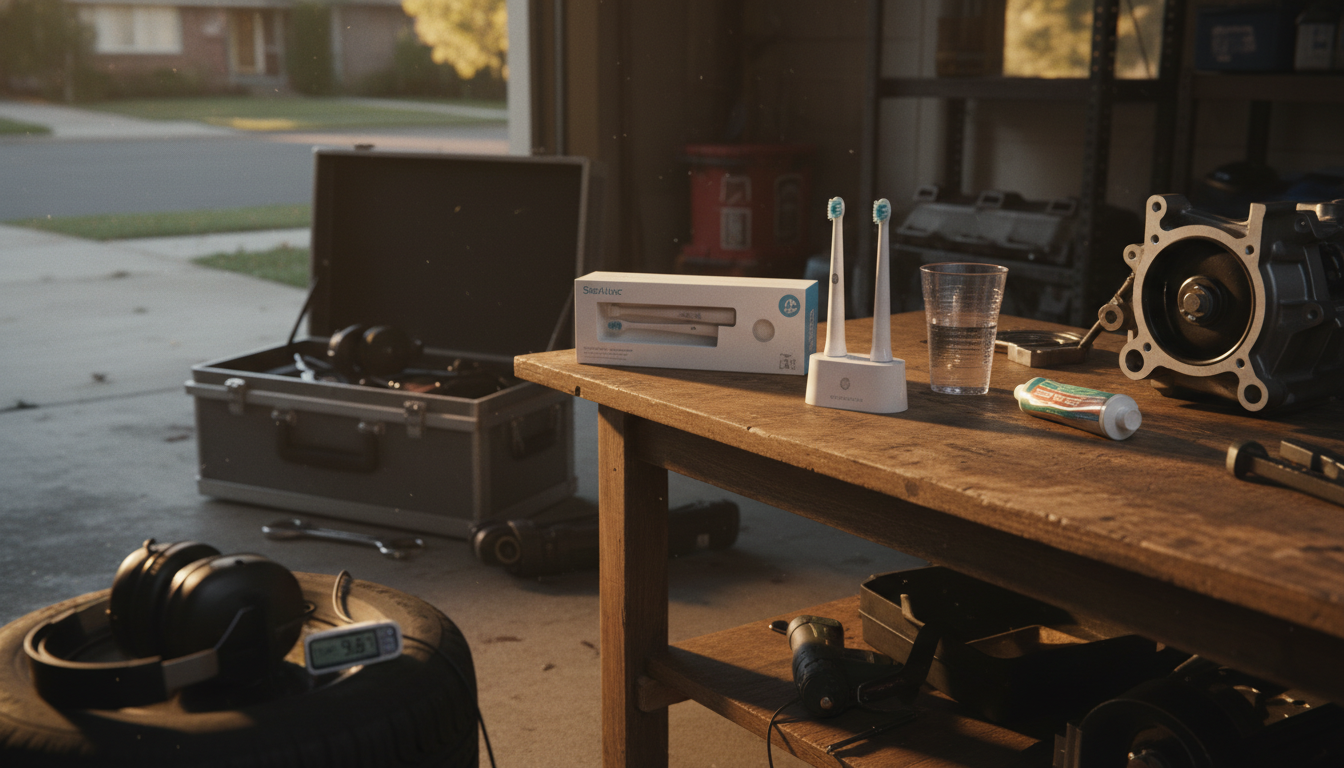
What is the downside of a sonic toothbrush?
A sonic toothbrush can be a big upgrade for plaque removal, but it isn’t perfect for every routine. The most common downsides come down to cost, comfort, and the learning curve of using a high-powered brush correctly.
Higher upfront and ongoing cost
Sonic toothbrushes typically cost more than manual brushes, and replacement brush heads add an ongoing expense. If you like swapping brushes frequently (as recommended every ~3 months), the long-term cost can be a dealbreaker for some households.
Too much power for sensitive mouths (if used incorrectly)
The strong vibrations can feel intense at first—especially for people with sensitive teeth, gum irritation, or exposed root surfaces. Pressing too hard can make discomfort worse and may contribute to gum recession over time, even though the brush is designed to work best with a light touch.
Noise and sensory annoyance
Compared with manual brushing, sonic models are louder and can feel “tickly” on the lips and gums. For anyone with sensory sensitivity, that combination can be enough to make brushing unpleasant.
Travel and maintenance hassles
Many sonic toothbrushes need regular charging, and traveling means packing a charger or dealing with battery management. They also have more parts that can collect residue—around the brush head connection and handle seams—so occasional cleaning is needed to prevent buildup.
Not a substitute for technique
A sonic toothbrush can help, but it won’t automatically fix rushed brushing, missed areas, or skipping floss/interdental cleaning. Proper positioning along the gumline and slow, methodical coverage still matter.
For a deeper breakdown of potential drawbacks and how to minimize them, visit https://devicescollection.com/what-is-the-downside-of-a-sonic-toothbrush/.
For Sonic Toothbrush Downsides: Cost, Noise & Sensitivity, the best answer depends on fit, material, care instructions, and how the product will be used day to day.
FAQ
Can a sonic toothbrush damage gums?
It can contribute to gum irritation if you brush with too much pressure or linger aggressively at the gumline. Using a soft brush head, a sensitive mode, and a light touch helps prevent problems.






Leave a comment