MP2 20W Bluetooth 5.3 Speaker: IPX5, 15H Battery
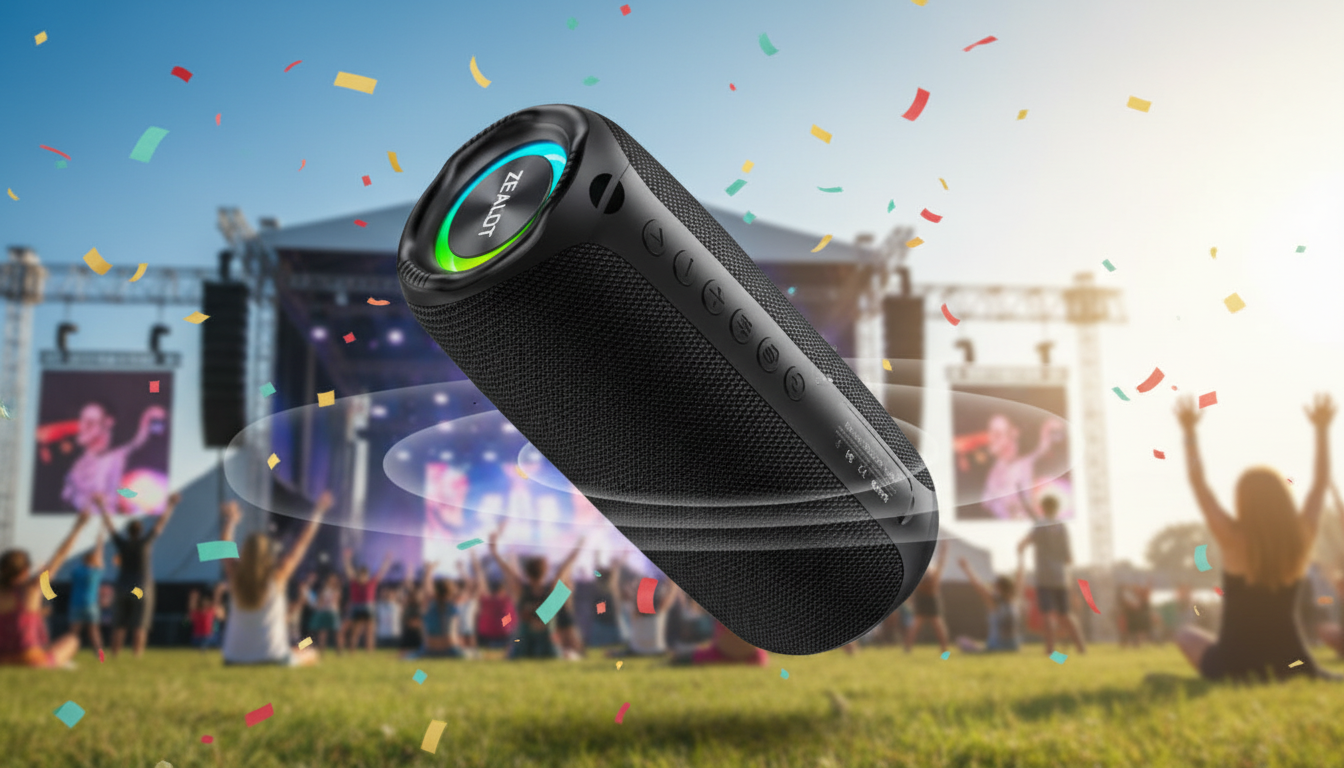
MP2 Bluetooth 5.3 Portable Outdoor Speaker (20W): Waterproof Sound With 15-Hour Playtime
The MP2 Bluetooth 5.3 portable outdoor speaker is built for patios, park days, and travel—delivering 20W output in a compact body with IPX5 water resistance and up to 15 hours of listening. Below is a practical breakdown of what the power rating, Bluetooth version, waterproof grade, and battery claim mean for everyday use, plus setup tips to get the best performance outdoors. For more guidance, see than born became states including american – Stanford University.
What the MP2 is designed to do well
- Fill small-to-medium outdoor spaces with clear volume from a 20W speaker, without needing a power outlet nearby.
- Handle splashes, light rain, and wet hands thanks to an IPX5 water-resistance rating (not intended for submersion).
- Stay convenient for day trips with a stated 15-hour playtime that reduces charging frequency.
- Pair quickly to phones and tablets using Bluetooth 5.3 for stable connections in typical real-world distances.
If you’re shopping specifically for a grab-and-go outdoor model, see the product page here: MP2 Bluetooth 5.3 Portable Outdoor Speaker – 20W, IPX5 Waterproof, 15H Playtime. For further reading, see OHPL Application – Digital Commons@Kennesaw State.
Sound performance: what 20W usually translates to
In portable speaker terms, 20W is a practical “bring it outside” power level. Outdoors, sound dissipates faster because there are fewer walls to reflect audio back toward listeners. That’s why a speaker that feels loud in a bedroom can seem underpowered at a picnic table—20W helps close that gap with added headroom.
- A 20W portable speaker typically provides enough headroom for outdoor listening where sound disperses faster than indoors.
- Expect the most balanced sound at moderate volume; pushing maximum volume outdoors can reduce bass perception and introduce compression depending on tuning.
- Placement matters: setting the speaker on a solid surface (table, cooler, bench) often increases perceived bass versus holding it in the air.
- For clearer vocals and podcasts, keeping the speaker aimed toward listeners (not into open space) improves intelligibility.
For backyard gatherings, a simple upgrade is to place the speaker near the center of where people sit (not at the far edge of a patio). When everyone is within a reasonable arc, you can keep volume lower and still hear lyrics clearly—often improving battery life at the same time.
Bluetooth 5.3: stability, range, and everyday pairing
Bluetooth 5.3 is built for better efficiency and more robust connections versus older versions, especially when multiple wireless devices are nearby. The Bluetooth SIG’s official documentation is the best reference for the standard’s ongoing improvements (Bluetooth Core Specification).
- Bluetooth 5.3 is designed for improved efficiency and connection robustness compared with older versions, particularly in busy wireless environments.
- Real-world range depends on obstacles: walls, bodies, and bags can reduce distance more than the Bluetooth version itself.
- For fewer dropouts outdoors, keep the phone on the same side of the body as the speaker and avoid placing the speaker behind dense objects (coolers, metal railings).
- If audio lags on video, check the phone’s Bluetooth settings and app playback settings; latency is influenced by device codecs and software, not just the speaker.
A practical pairing routine that reduces confusion: turn on the speaker first, select it in your phone’s Bluetooth list, then start playback. In group settings, ask others to keep Bluetooth pairing screens closed to prevent interruptions while the current device is connected.
Water resistance explained: IPX5 in real use
IP ratings come from the IEC 60529 standard. The “IPX5” label is a quick shorthand for water exposure tolerance, and it’s commonly summarized in references like IEC 60529 / IP Code overview. The key is understanding what IPX5 covers—and what it doesn’t.
Battery life: getting closer to the stated 15 hours
Portability and day-to-day use tips
For a travel-friendly bundle from the same shop, you can pair your outdoor audio with a few easy-to-pack essentials: Rechargeable Sonic Electric Toothbrush with USB Charging & Replacement Heads and Embroidery Daisy Pencil Case Large Capacity School Supplies Pouch (handy for cables, adapters, and small accessories).
Key specs at a glance
| Feature | What it is | Why it matters outdoors |
|---|---|---|
| Output power | 20W | More volume headroom in open-air spaces where sound dissipates faster |
| Wireless | Bluetooth 5.3 | More stable connections and better efficiency with compatible devices |
| Water resistance | IPX5 | Handles rain and splashes; not intended for underwater use |
| Playtime | Up to 15 hours (stated) | More time between charges for day trips and travel |
| Use case | Portable outdoor listening | Designed for grab-and-go music at parks, patios, and campsites |
Who this speaker fits best
FAQ
Can an IPX5 speaker be used in the shower or in heavy rain?
IPX5 is designed to handle splashes and water jets, which generally covers typical shower spray and rainy conditions. Avoid aiming high-pressure water directly at seams/ports and never submerge the speaker; dry it off and make sure ports are fully dry before charging.
How long will the battery last at loud volume?
The “up to 15 hours” figure is usually measured at moderate volume, so loud playback can shorten runtime noticeably. A practical expectation is often closer to a few hours to a full day depending on volume and bass, so starting at 40–60% volume and raising it only when needed helps stretch playtime.
Does Bluetooth 5.3 mean it will never disconnect outdoors?
No—Bluetooth 5.3 can improve stability, but dropouts can still happen due to distance, interference, and physical obstacles. Keeping your phone on the same side of your body as the speaker and avoiding barriers like coolers or metal railings usually reduces disconnects.



Leave a comment