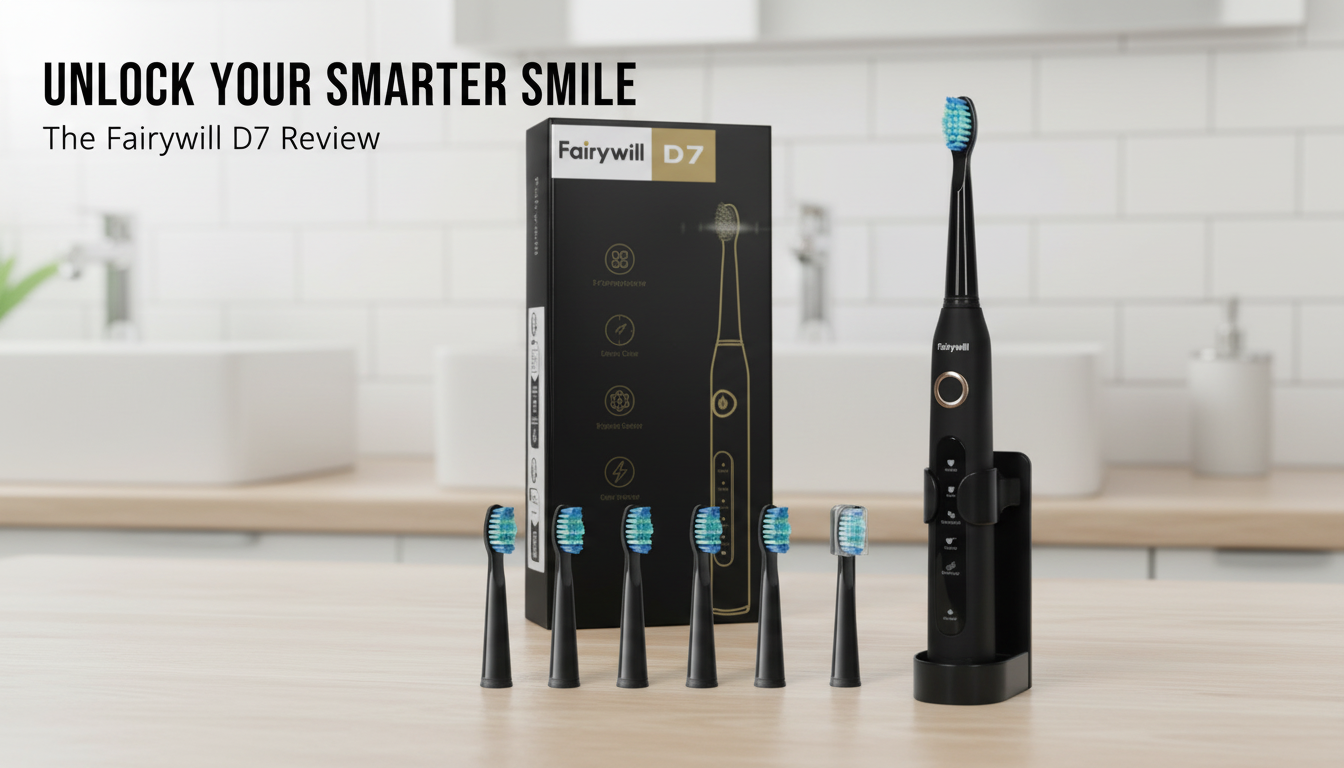
A sonic electric toothbrush with USB charging makes it easier to stick to a consistent brushing routine—without hunting for a proprietary dock or disposable batteries. Sonic brushes deliver fast, steady strokes that can help many people remove plaque more effectively than manual brushing, especially when technique gets rushed or uneven. With replacement heads included, it’s also simpler to swap bristles on schedule for comfort, hygiene, and reliable performance whether you’re at home, at work, or traveling. For more guidance, see Hands-on review: Suri sustainable electric toothbrush.
Sonic brushing uses high-frequency vibrations to move bristles rapidly across tooth surfaces and along the gumline. That speed creates a uniform cleaning action that’s hard to replicate by hand, particularly on back molars and along the margins where plaque tends to build. For further reading, see Proof of concept design for a toothbrush with on‐board vacuum to ….
Because the motion is consistent, a sonic brush can help reduce common technique problems such as pressing too hard in one spot, missing hard-to-reach areas, or finishing too quickly. Many models also include a built-in timer and quadrant pacing (short intervals that prompt you to move to the next section of your mouth), helping encourage more even coverage throughout a full two-minute session.
For general brushing fundamentals and technique reminders, the American Dental Association (ADA) brushing guidance is a useful reference point.
USB charging fits naturally into how most people power devices today. It can pair well with laptop ports, power banks, and multi-device wall adapters—especially helpful when outlets are limited in hotel rooms, dorms, or shared bathrooms.
A rechargeable design can also reduce ongoing battery waste compared with disposable-battery toothbrushes. If you already carry a USB cable for a phone or earbuds, maintaining a “quick top-up” habit can be easier than remembering a specialty charger when packing.
When comparing options, look for clear input requirements (commonly 5V USB) and a battery routine that matches your schedule: some users prefer charging weekly, while others simply top off whenever they’re already charging other devices.
Brush heads are a wear item. As bristles fray, they tend to clean less effectively and can feel harsher on gums. Swapping to a fresh head keeps the bristle tips shaped correctly so they can sweep plaque away without unnecessary scraping.
Most dental guidance recommends changing brush heads about every three months, or sooner if the bristles splay. Having extras on hand reduces the temptation to “stretch” a head past its useful life, which can quietly reduce cleaning quality over time.
Before reordering, confirm head compatibility so the replacement fits securely and seals properly on the handle. A good fit helps maintain stable vibration transfer and prevents wobble.
| Situation | What to Look For | What to Do |
|---|---|---|
| Routine use | Bristles begin to fan or lose shape | Replace the head around every 3 months |
| After illness | Recent cold/flu or shared bathroom exposure | Consider replacing the head after recovery |
| Orthodontics or heavy plaque areas | Faster wear or visible bristle deformation | Replace sooner if cleaning feels less effective |
| Sensitive gums | Increased irritation with normal pressure | Swap to a fresh head and use gentler pressure |
To get the benefits of sonic brushing without irritating gums, use light pressure. Let the vibration and bristle movement do the work; pressing harder rarely improves cleaning and can make gumlines feel tender.
Angle the bristles toward the gumline and glide slowly tooth-to-tooth rather than scrubbing. Spend time on the outer surfaces, inner surfaces, and chewing surfaces. Two minutes is a widely recommended baseline, and a timer can help prevent cutting corners when you’re in a hurry.
Brushing still can’t fully clean between tight contacts. For that, add floss or interdental cleaners daily. For broader oral health basics and prevention habits, the CDC’s adult oral health overview provides practical context.
This type of brush is especially useful for people who want a simpler routine with fewer variables:
Evidence reviews have often found powered toothbrushes can reduce plaque and gingivitis more than manual brushing for many users; see the Cochrane Review on powered versus manual toothbrushes for a detailed summary of research outcomes.
Typically around every 3 months, sooner if bristles splay, cleaning feels less effective, or after recovering from an illness.
In most cases, yes—USB charging is designed for common 5V sources such as power banks, laptop ports, and USB wall adapters; confirm the device’s input requirements.
Often yes when used with light pressure and an appropriate mode; avoid pressing hard, and switch to a softer head or gentler setting if irritation occurs.




Leave a comment