
A solo road trip is pure freedom—until you realize you’re also the navigator, safety officer, mechanic, and problem-solver. A few smart habits and a tight checklist make the difference between a calm adventure and a stressful scramble. Use the sections below to prep your route, your vehicle, your essentials, and your “what if” plans so you can focus on the drive, not the worries.
When you’re traveling alone, the goal is to remove as many surprise decisions as possible. A little planning upfront keeps you from making rushed calls when you’re tired or out of service.
If you want a printable, ready-to-go version of the full checklist, keep a copy on your phone and another in the glove box: Solo Road Trip Survival Checklist – Ultimate Solo Road Trip Tips Guide for Safe, Smart & Stress-Free Adventures.
Most solo road trip “emergencies” are avoidable with a quick vehicle check. Give yourself a buffer day to handle maintenance, especially before long highway stretches or remote routes.
| Item | What to check | Target/notes |
|---|---|---|
| Tire pressure | All four + spare | Match door-jamb label; check cold tires |
| Tread | Wear bars, uneven wear | Replace if worn; rotate if uneven |
| Fluids | Oil/coolant/washer | Top up; investigate leaks before leaving |
| Battery | Age + starting strength | Replace if weak; clean terminals |
| Lights/wipers | Head/turn/brake + blades | Carry spare bulbs/wiper fluid |
| Emergency tools | Jack, wrench, triangles | Confirm compatibility; test-fit lug wrench |
Pack for delays first, comfort second. When you’re solo, the must-haves are the items that keep you safe, seen, hydrated, and able to communicate.
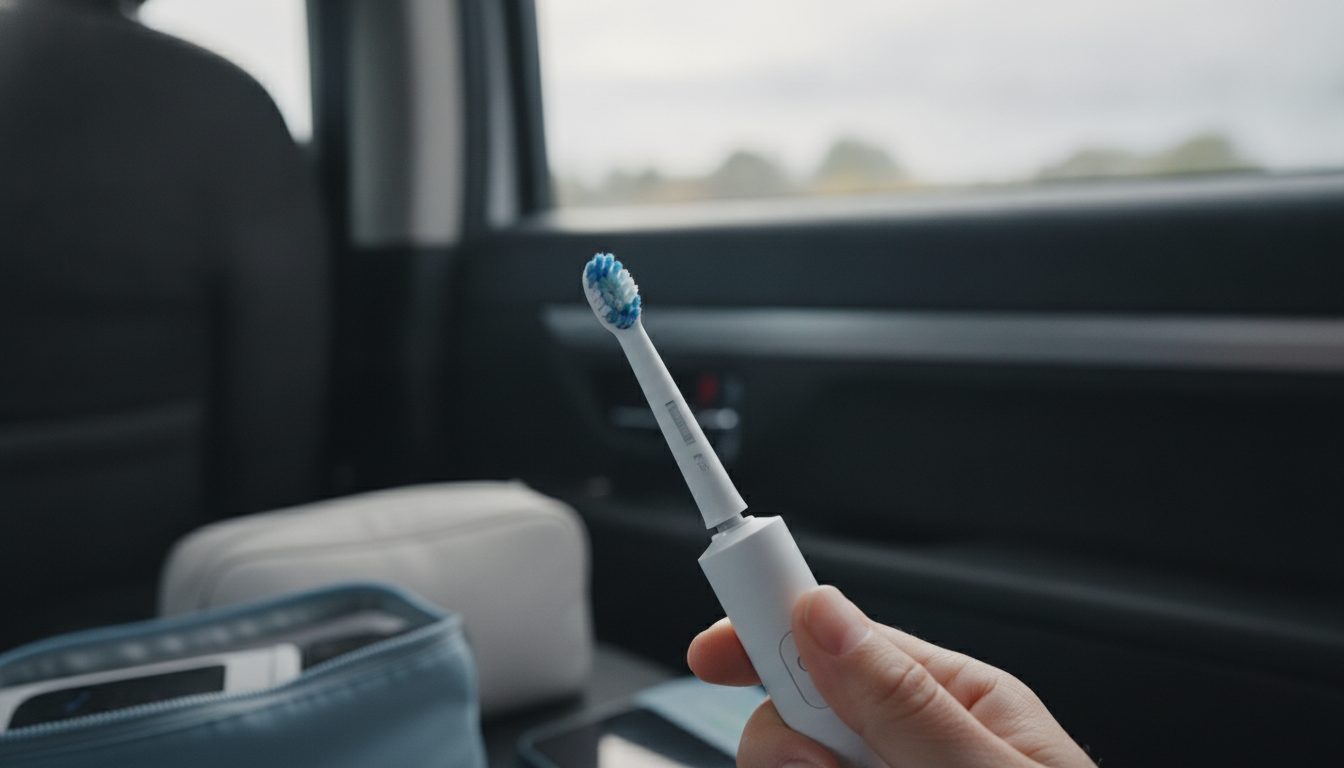
One small quality-of-life upgrade: keeping your routine consistent on the road. If you’re hopping between stops and sharing bathrooms, a reliable travel hygiene setup helps you feel human—consider the Sonic Electric Toothbrush for quick, thorough cleanups on the go.
Safety on a solo road trip is mostly about reducing opportunities for trouble and making it easy to exit a situation fast.
For a deeper overview of drowsy driving risks and prevention, see NHTSA — Drowsy Driving.
For a solid baseline of what to include in your car emergency setup, cross-check your kit with Ready.gov — Car Emergency Kit and your preferred roadside provider (many travelers use AAA — Road Trip Checklist as a starting point).
| Category | Checklist items |
|---|---|
| Documents | ID, registration/insurance, emergency contacts, backup payment |
| Vehicle | Fuel, tires, lights, fluids, spare/jack, emergency tools |
| Tech | Offline maps, chargers, power bank, emergency numbers saved |
| Safety | First aid, triangles, headlamp, whistle, medications |
| Comfort | Water, snacks, layers, sunglasses, sunscreen |
Include first aid, a flashlight or headlamp, reflective triangles, a tire inflator and/or plug kit, jumper cables or a jump starter, water, shelf-stable snacks, warm layers or a blanket, and a way to charge your phone. Add climate-specific extras (heat, snow, long gaps between towns) based on your route.
Plan breaks about every 2–3 hours, plus any time your focus drops. Short walks, hydration, and a quick snack typically restore alertness better than pushing through fatigue.
It depends on the location, local rules, and how visible and secure the area is. Prefer established campgrounds or well-reviewed, permitted places, park under lights, keep doors locked, and avoid isolated spots—especially if arriving late.




Leave a comment