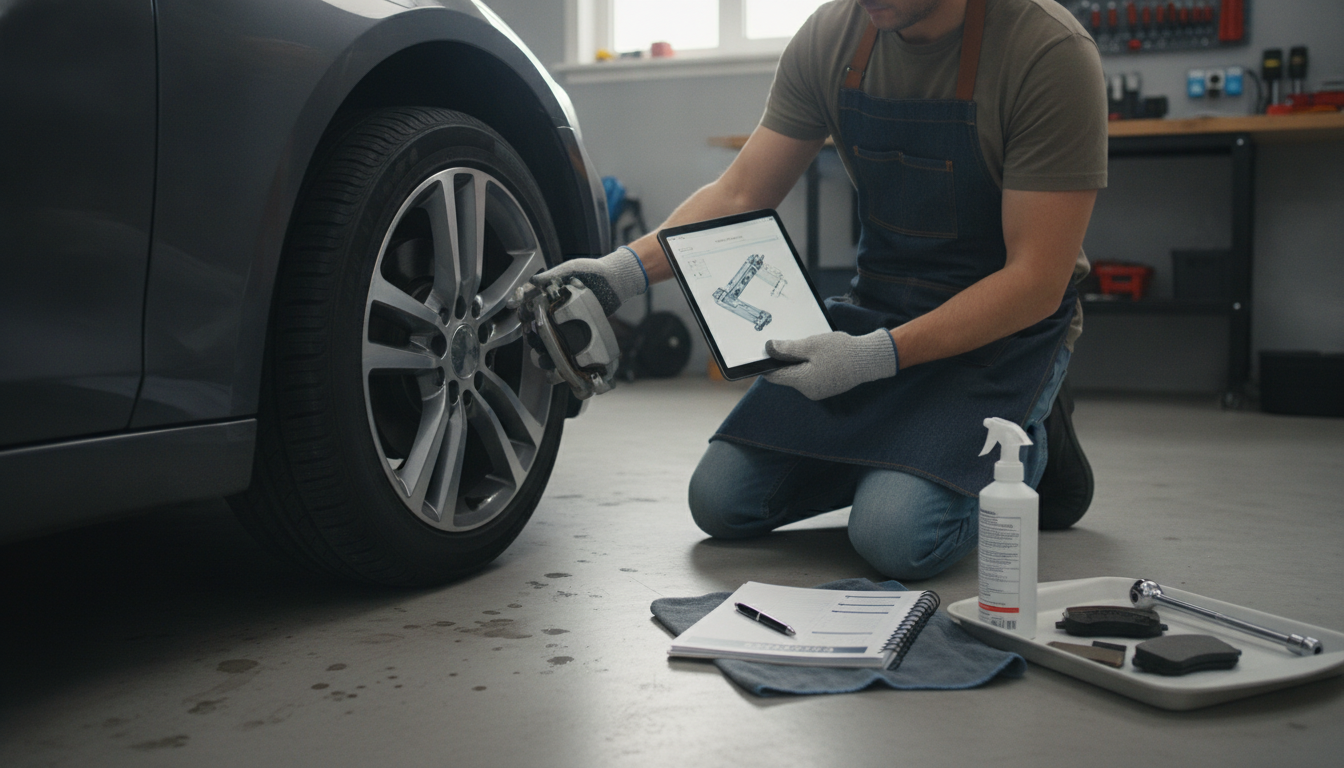
Reliable brakes usually come down to a few simple routines done on time: noticing pedal feel changes, listening for early warning sounds, tracking pad life, and keeping brake fluid in good condition. A consistent checklist keeps those tasks from getting skipped, so small issues are easier to spot before they turn into big repairs or unsafe stopping performance.
For a quick, organized system you can save to your phone, print, or keep in the glove box, consider Stop Smart! Your Brake Maintenance Checklist – Essential Brake Maintenance Tips Digital Download. It’s designed to help you record dates, mileage, and symptoms in a way that’s easy to review later—especially when you’re trying to explain a noise or vibration to a technician.
Brake-related safety issues and defect information are also tracked by the National Highway Traffic Safety Administration (NHTSA), which is a helpful reference if a warning symptom appears suddenly or you suspect a larger issue.
If something feels “off” before you even leave the driveway—especially a warning light that stays on or a pedal that suddenly feels different—treat it as a safety item, not a “later” item.
The Car Care Council’s brake care guide is a solid overview of common warning signs and why routine inspection matters.
| Symptom | Common cause | Next step |
|---|---|---|
| High-pitched squeal | Wear indicator contact or glazed pads | Inspect pad thickness and rotor condition |
| Grinding | Pad material gone; metal backing contacting rotor | Stop driving if possible; immediate inspection/repair |
| Vibration/pulse when braking | Rotor thickness variation, lug torque issues, or suspension factors | Inspect rotors, wheel torque, and related components |
| Car pulls to one side | Sticking caliper, hose restriction, uneven pads | Inspect calipers/hoses; check pad wear side-to-side |
| Soft/sinking pedal | Air/moisture in fluid, leaks, master cylinder issues | Check for leaks; test/bleed fluid as needed |
For a deeper explanation of why moisture matters (especially under heat), Bosch Mobility’s overview of brake fluid is a useful reference.
To keep your records consistent across seasons (and easy to find when you need them), pair the routine above with Stop Smart! Your Brake Maintenance Checklist – Essential Brake Maintenance Tips Digital Download, then store printed pages, receipts, and notes together for quick reference.
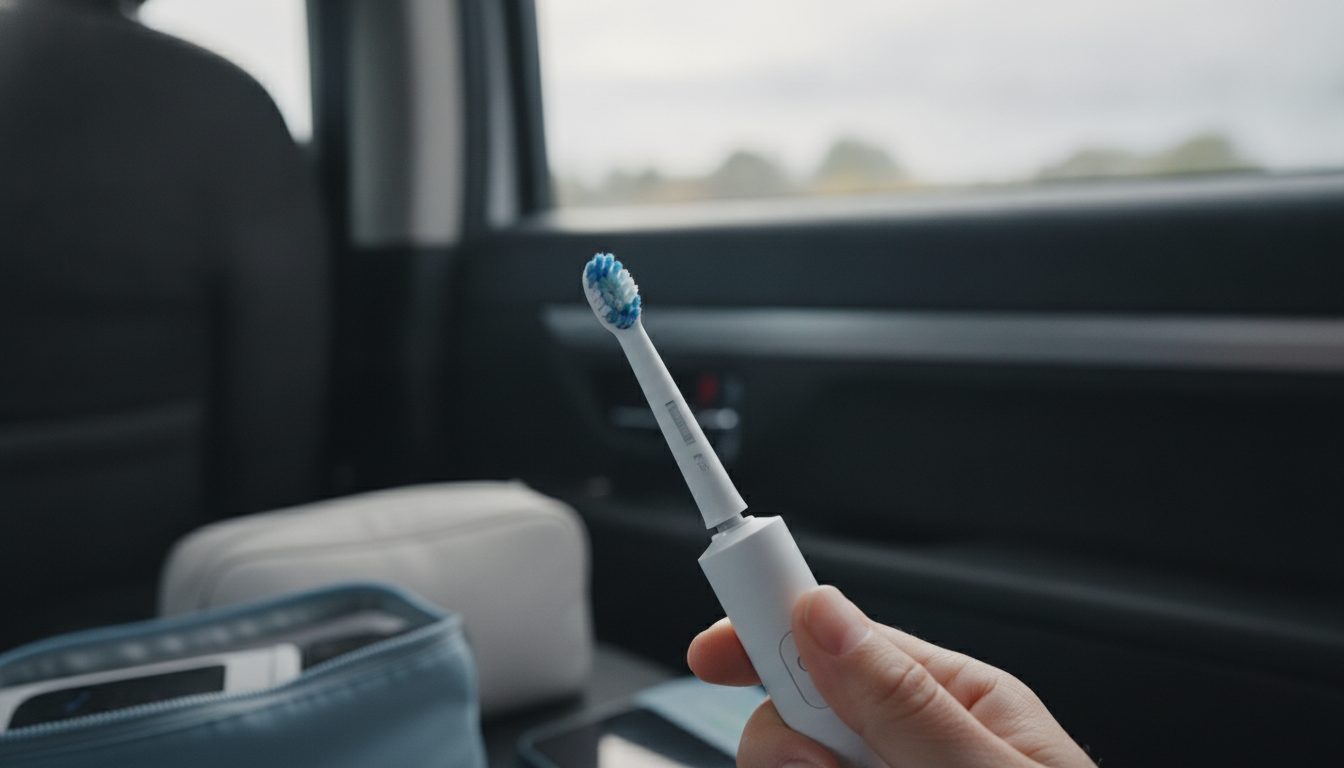
If you like keeping a small “car paperwork kit,” a compact organizer can help you store maintenance printouts and service receipts in one place. Some customers use a simple pouch such as the Embroidery Daisy Pencil Case Large Capacity School Supplies Pouch for this purpose. For frequent travelers, a small charging-friendly essential like the Rechargeable Sonic Electric Toothbrush with USB Charging & Replacement Heads can also be a handy glove-box or travel-bag add-on.
Check pads during tire rotations or at least every 6 months, and increase the frequency if you drive in heavy stop-and-go traffic, tow, or drive mountainous routes. Measure pad thickness and compare left-to-right wear so uneven wear doesn’t go unnoticed.
A soft or sinking pedal often points to air in the brake lines, moisture-contaminated fluid, a fluid leak, or a master cylinder issue. If pedal feel changes noticeably, schedule an inspection promptly and avoid delaying.
Replace brake fluid based on the service interval in your owner’s manual or sooner if testing/condition indicates contamination. Because brake fluid absorbs moisture over time, using the correct DOT type and keeping the system in good condition helps maintain consistent braking under heat.




Leave a comment