Orthopedic Memory Foam Pet Bed: Washable Cover Guide

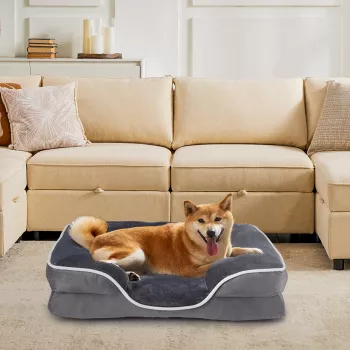
Orthopedic Memory Foam Dog Bed for Small Dogs & Cats with Washable Cover
A supportive, easy-to-clean bed can make daily rest more comfortable for small dogs and cats—especially for pets that nap often, prefer a stable surface, or need gentler pressure relief around joints. This guide breaks down what matters most in an orthopedic memory foam pet bed and how to match it to your pet’s sleep style and home setup.
What “orthopedic” support means for small pets
In pet beds, “orthopedic” typically refers to a structure that helps reduce pressure on common contact points by keeping the body more evenly supported. Memory foam is popular for this because it contours to your pet’s shape and helps distribute weight across a broader area rather than concentrating it in one spot.
For small dogs and cats, consistent support can be especially noticeable because many of them curl tightly, tucking paws and rounding their backs. That posture can concentrate pressure around hips, shoulders, and elbows. A bed that rebounds well (instead of staying compressed) also makes it easier for pets to shift positions without feeling stuck in a deep dip.
If your pet is already showing stiffness after rest, a supportive sleep surface can be one part of a more comfortable daily routine. For background on joint changes and mobility concerns, the American Kennel Club and Cornell University College of Veterinary Medicine provide helpful overviews.
When a memory foam bed is a good match
Memory foam tends to work well for pets that spend long stretches resting and benefit from a steadier surface than a thin pillow-style pad can provide. It’s also a strong choice in homes with harder flooring (tile, hardwood, laminate), where lighter cushions compress quickly and end up feeling like the floor.
Many small breeds and cats switch between curling up into a compact ball and stretching out flat. A memory foam bed can support both styles, as long as the sleep surface is sized appropriately and the foam is thick enough to prevent “bottoming out.” For pets that like den-like comfort, placing the bed in a calm corner—away from foot traffic—often encourages longer, deeper rest.
Key features that matter day to day
Foam feel and thickness
The best balance is supportive enough to keep your pet from sinking through to the floor, but soft enough to feel inviting. If your pet steps onto the bed and it flattens instantly, it may not provide consistent cushioning over time.
Washable cover
A removable, washable cover is one of the most practical upgrades for real life. It helps manage odors, reduces hair buildup, and can lower the amount of lingering allergens on the sleep surface—especially important for pets that shed heavily or track in outdoor dust.
Non-slip base (if present)
On slick flooring, a bed that stays put makes entry and exit easier—particularly for senior pets or pets who hesitate before stepping down. Less sliding also means less bunching of the cover and less repositioning for you.
Edge structure and sleep preferences
Some pets relax faster with a slight boundary they can curl against, while others prefer an open, flat pad that doesn’t restrict sprawl. Watching how your pet uses blankets or couch cushions can hint at their preference.
Materials and seams
Look for durable fabric and neat stitching. Small dogs and cats often “nest,” knead, or circle before settling, which can stress seams over time. A tighter weave can also help resist snagging from light scratching.
Sizing and placement guide for small dogs & cats
Start by measuring your pet in their two most common sleep poses: tightly curled and fully stretched. If you can only optimize for one, prioritize the stretched length for sprawlers, and a cozy footprint with adequate thickness for curlers.
Quick fit checklist
| Pet habit | What to look for | Why it helps |
|---|---|---|
| Curls tightly | Supportive foam with a compact sleeping area | Maintains warmth and reduces pressure on hips/shoulders |
| Sprawls out | Longer sleeping surface | Prevents paws/hips from hanging off the edge |
| Moves around at night | Stable base and a cover that stays in place | Reduces slipping and bunching |
| Sensitive to odors/allergens | Fully washable cover | Improves hygiene and freshness |
Cleaning and care for a washable-cover pet bed
For general pet care and hygiene routines that complement a cleaner resting space, the AVMA pet owner resources are a solid reference.
Orthopedic Memory Foam Dog Bed for Small Dogs & Cats with Washable Cover: at-a-glance
If you want a supportive, cushioned surface that’s also practical to maintain, the Orthopedic Memory Foam Dog Bed for Small Dogs & Cats with Washable Cover is designed with everyday comfort and easier cleanup in mind. It’s a sensible fit for apartments, bedrooms, or crate-adjacent setups where keeping fabrics fresh matters.
In-stock picks
- Orthopedic Memory Foam Dog Bed for Small Dogs & Cats with Washable Cover
- Sonic Electric Toothbrush
- Rechargeable Sonic Electric Toothbrush with USB Charging & Replacement Heads
FAQ
Is memory foam safe and comfortable for cats as well as small dogs?
Memory foam is commonly used for both cats and small dogs because it contours to the body and supports weight distribution. Comfort depends on firmness and thickness, so watch whether your pet settles easily and can get on and off without hesitation.
How often should the washable cover be cleaned?
For most homes, washing every 2–4 weeks works well, while weekly washing can help if shedding, allergies, or outdoor dirt are factors. Between washes, vacuuming and quick spot-cleaning can keep the surface fresher.
What size bed should be chosen for a small dog or cat?
Measure your pet when fully stretched and when curled, then choose a bed surface that fits the stretched length when possible. If your pet primarily curls up, prioritize a cozy footprint with enough foam thickness to keep them supported.






Leave a comment