Mini Electric RC Submarine Guide: Shallow Dives & Speed
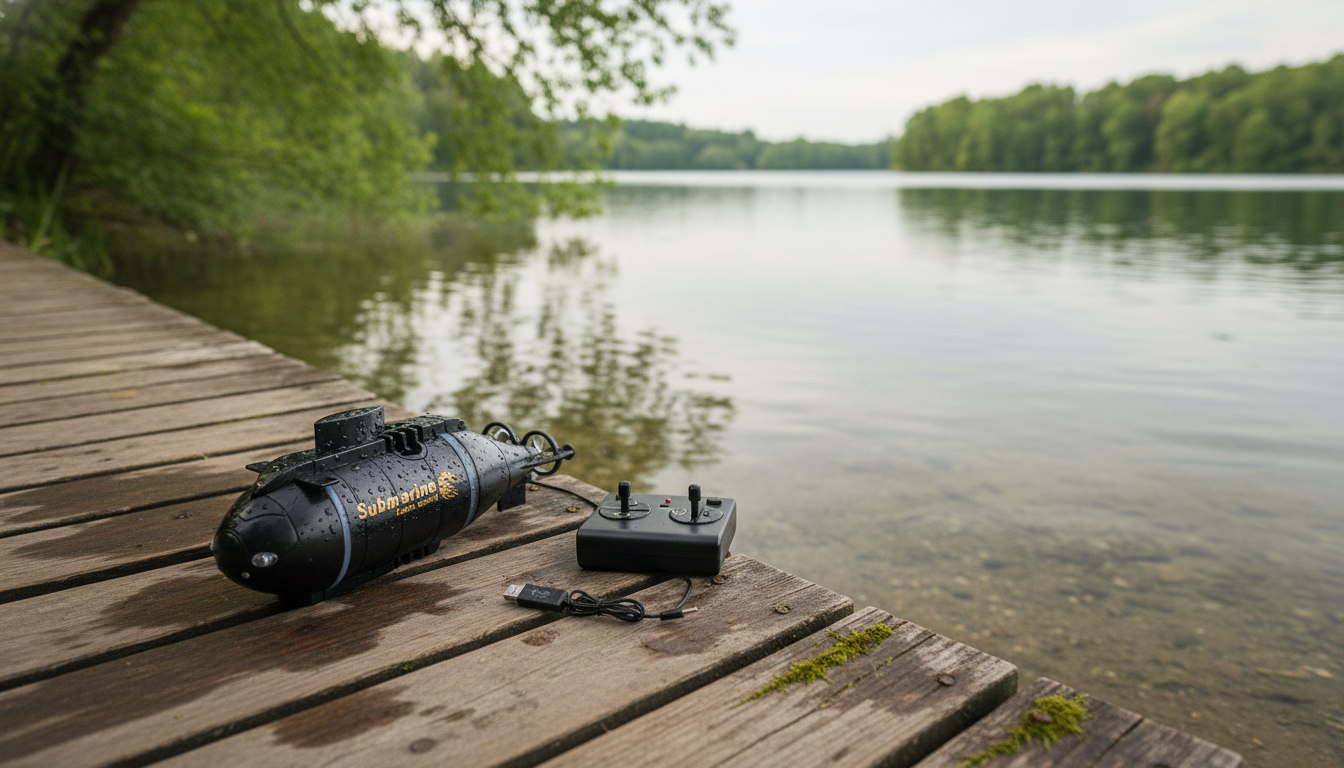
Mini Electric RC Submarine: Surface Speed, Simple Dives, Big Fun
A compact electric RC submarine blends the quick handling of a speed boat with the fun of controlled dives. It’s built for backyard pools, calm ponds, and shallow water play where smooth throttle, predictable turns, and simple dive control matter most. This guide breaks down how it works, what to look for before buying, and how to keep it running reliably after each session.
What It Is and What It Can Do
A mini electric RC submarine is a small remote-controlled watercraft designed to run on the surface and perform short underwater dives in calm water. It combines two play styles—surface cruising (that speed-boat feel) and submerging/ascending (a classic submarine vibe)—without requiring a complicated setup.
These models are best in controlled environments such as swimming pools, calm lakes, or small ponds without heavy current or waves. They’re typically optimized for shallow-depth operation where visibility stays decent and recovery is easy if the craft pauses or drifts.
Highlights That Matter for Real Use
Diving and Surfacing Behavior
The most satisfying mini subs transition smoothly: a stable glide on the surface, a predictable dip when you command a dive, and a controlled rise back up. Abrupt plunges or “porpoising” can make it harder to steer and easier to lose track of where it went.
Turning Radius and Stability
Pool play often means tight corners and quick corrections. A stable hull and a manageable turning radius help the craft stay pointed where you want it, instead of skidding wide and bumping walls or steps.
Signal Reliability
Consistent response to the remote reduces stalls and unintended drifting. If the craft is slow to react, it’s harder to line up a clean dive path, especially underwater where small steering changes matter more.
Water Resistance and Sealing
Repeated launches and recoveries stress compartments and seals. Good fit and firm closures reduce the risk of water getting to electronics, particularly after a few sessions when small bits of debris can sneak into sealing edges.
Recovery Friendliness
Bright color accents and predictable buoyancy make retrieval far less stressful. If it stops moving, being able to spot it quickly and reach it easily is a practical advantage that improves the overall experience.
Where It Performs Best
Swimming Pools
Pools are the easiest environment for learning throttle and steering, then practicing short dive cycles. Clear water and defined boundaries make it simpler to keep the craft in range and bring it back if something feels off.
Bathtubs or Small Indoor Tanks
These are handy for quick checks—confirming the propulsor spins freely and controls respond—but turning space is limited. Think of indoor water as a test bench rather than the main event.
Calm Ponds
Calm ponds can be a lot of fun when water is clear and shallow with easy shoreline access. Avoid steep banks, murky water, or places where you’d struggle to reach the craft if it drifts.
What to Avoid
Skip rough water, strong currents, and areas with weeds, fishing line, or floating debris that can snag the propulsor. In open water, the biggest challenge is usually not speed—it’s retrieval.
Controls and Learning Curve
Start on the surface to learn throttle and steering before attempting repeated dive cycles. Once the craft tracks straight and turns predictably, add shallow dips near the edge so you can recover quickly if needed.
Use gentle inputs. Small adjustments often produce smoother underwater tracking than full-stick movements, which can cause sudden direction changes that make the craft harder to follow. If response feels delayed, shorten the distance and keep the remote oriented toward the craft.
Keep early sessions short. Short runs reduce the chance of a stuck craft and build confidence in how it behaves when turning, diving, and surfacing.
Charging, Runtime, and Session Planning
Charge in a dry, ventilated area away from splashes (especially near pool edges). For general battery safety guidance, review consumer recommendations from the U.S. Consumer Product Safety Commission (CPSC). Also, keep in mind that RC devices and transmitters are subject to equipment rules; the Federal Communications Commission (FCC) Equipment Authorization page is a helpful reference for understanding compliance basics.
Care, Maintenance, and Common Fixes
Safety Notes for Water Play
Quick Specs and Checklist
Setup Checklist and Feature Overview
| Item | What to Check | Why It Helps |
|---|---|---|
| Seals/compartments | No debris; closes firmly | Reduces water ingress risk |
| Battery charge | Full charge before first use | More consistent throttle and dive control |
| Water conditions | Calm, shallow, clear | Easier control and retrieval |
| Propulsor area | No hair/weed/thread | Prevents stalling and uneven steering |
| First test run | Surface cruise near edge | Confirms steering and signal response |
Product Options (In Stock)
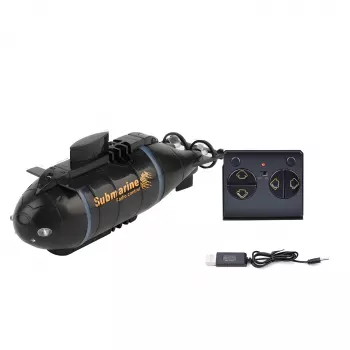
If the goal is casual pool practice, surface cruising, and short controlled dives in calm water, this compact option is a strong starting point: Mini Electric RC Submarine Underwater Diving Speed Boat Remote Control Drone.
For simple organization between sessions—keeping a charge cable, small towel, and spare parts together—an easy add-on is the Embroidery Daisy Pencil Case Large Capacity School Supplies Pouch.
And if you like rechargeable gear for travel days at the pool or lake, consider the Rechargeable Sonic Electric Toothbrush with USB Charging & Replacement Heads as a convenient companion item.
FAQ
Can it be used in a swimming pool with people in it?
Yes, but only with close supervision and a clear lane away from swimmers, hair, and drains. Pause operation whenever someone moves near the craft’s path.
How deep can a mini RC submarine safely dive?
Keep dives shallow and recoverable, prioritizing visibility and easy retrieval over depth. The practical limit is where you can still see it clearly and reach it quickly if it stops.
What should be done if it stops moving underwater?
Retrieve it immediately, power it off, and dry it thoroughly. Then inspect the propulsor for debris and re-check battery seating and seals before the next run.





Leave a comment