Large Capacity Tote Bag for Women: Organized Carry Guide
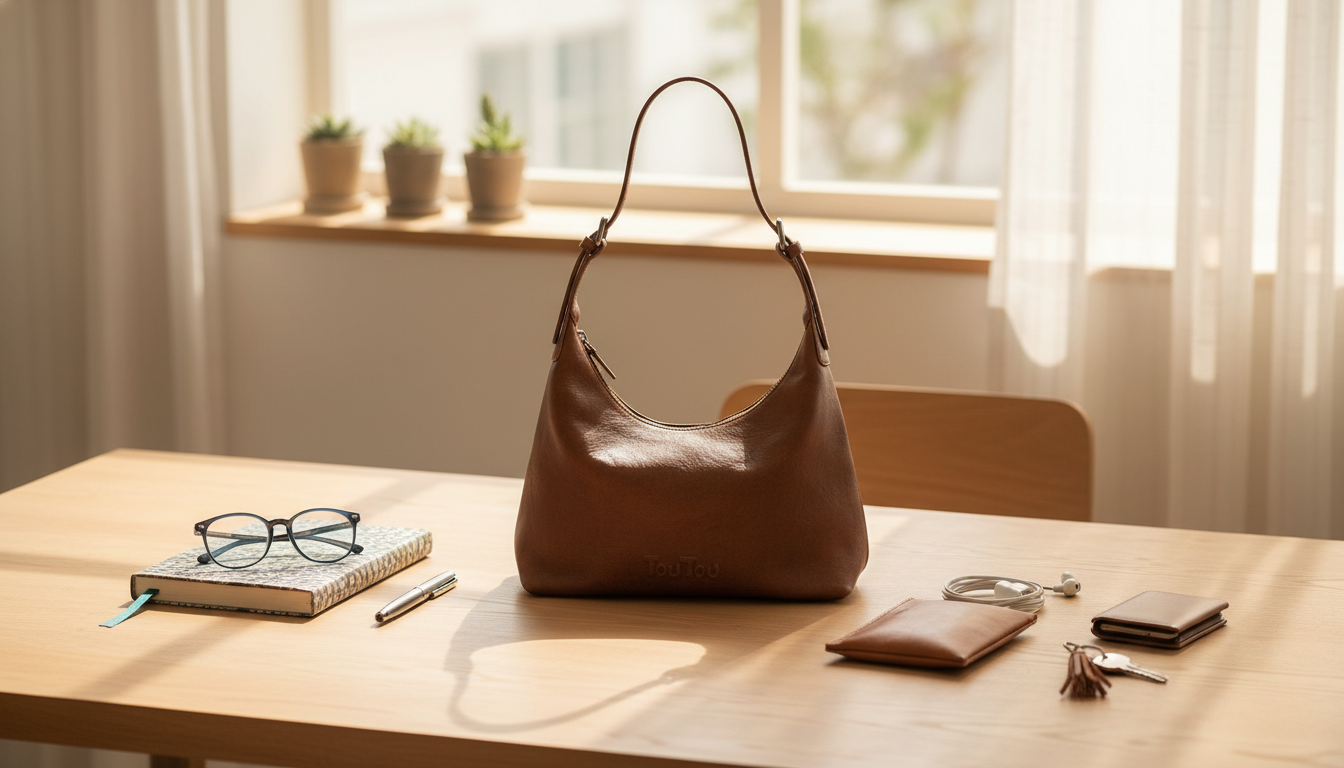
A roomy tote should handle busy days without turning into a bottomless pit. The best large-capacity tote bags balance space with structure, so your essentials don’t slide to the corners, straps don’t dig in, and you can actually find your keys without emptying the whole bag. Below is a practical breakdown of what “large capacity” looks like in real life—plus easy organization habits that keep your everyday carry calm and predictable.
What “large capacity” really means in a tote
“Large” isn’t only about dimensions—it’s about how usable the space feels once the bag is loaded. A truly practical large-capacity tote makes room for daily essentials plus extras like a water bottle, a book, a light sweater, or a small pouch system. It should also open wide enough for quick access, sit flat so it doesn’t tip over, and have enough reinforcement to avoid sagging when it’s full.
| Use case | Typical items carried | Helpful tote features |
|---|---|---|
| Workday commute | Notebook, charger, cosmetics pouch, lunch container | Zipper top, interior pockets, reinforced straps |
| Errands and shopping | Reusable bags, wallet, keys, water bottle | Sturdy base, easy-clean material, wide opening |
| Travel day bag | Snacks, book, sunglasses, small tech, scarf | Secure closure, slip pocket for quick-grab items |
| Mom-on-the-go | Wipes, small toys, spare shirt, bottle | Multiple compartments, wipeable lining, comfortable shoulder drop |
Materials that hold up to heavy loads
When a tote carries more, the fabric and stitching do more work. Material choice affects weight, weather resistance, and how well the bag keeps its shape.
- Canvas and heavy cotton: Durable and casual, often washable. Look for a thick weave, reinforced seams, and strong stitching at the strap base.
- Nylon or polyester: Lightweight and commonly water-resistant—great for commuting or unpredictable weather. Bonus points for a coated interior that wipes clean.
- Faux leather or coated fabrics: A polished look with easier wipe-down care. Check for clean finishing around edges and secure strap joins.
- Hardware and trim: Zippers, rivets, and D-rings are small parts that take a lot of stress. Smooth zipper action and firm attachment points tend to last longer.
For care instructions, it’s smart to follow the bag’s label guidance when available; the Federal Trade Commission (FTC) Care Labeling Rule explains why proper care labeling matters for textile items.
Comfort matters: straps, weight, and carry options
A bag can be huge and still feel “too small” if it’s uncomfortable to carry. Comfort comes down to how the weight sits on your body and how the tote behaves when you’re walking fast or juggling errands.
- Strap width: Wider straps distribute weight better and reduce pressure points when the tote is packed.
- Shoulder drop: A longer drop makes it easier to wear over coats and sweaters without the bag sliding off.
- Handle reinforcement: Bar-tack stitching or rivets at stress points help prevent strap failure over time.
- Optional crossbody strap: Helpful for long walks or travel days—sharing the load can reduce shoulder fatigue.
If you routinely carry heavier loads, consider simple ergonomics: keeping the load close to the body and avoiding one-sided strain can help. The CDC ergonomics resources offer helpful basics on reducing strain during everyday carrying tasks.
Organization features that prevent the “tote black hole”
Large totes are loved for their space—and cursed for their chaos. A few built-in features make a big difference in how quickly you can find the essentials.
- Top closure: A zipper or magnetic snap keeps items secure when you’re commuting, bending down, or placing the tote in a cart.
- Interior pockets: Ideally, have at least one zip pocket for valuables and one slip pocket for your phone.
- Key leash or key pocket: Prevents the classic “keys at the bottom” problem.
- Wet/messy separation: Use pouches to isolate an umbrella, snack spills, or makeup—especially in open interiors.
One easy add-on is a dedicated pouch that becomes your “small stuff home.” A compact organizer like the Embroidery Daisy Pencil Case Large Capacity School Supplies Pouch can work as a cord-and-lip-balm keeper, so tiny items don’t migrate to every corner of the tote.
Daily packing system: fast access without clutter
Even a simple tote can feel highly organized with a consistent routine. The goal is to reduce decision-making: you always know where the most-used items live.
Spotlight: Large Capacity Tote Bag for Women
If you want a straightforward, budget-friendly option designed for roomy everyday carry, the Large Capacity Tote Bag for Women is a practical pick for commuting, errands, and travel days where extra space is non-negotiable. For a smoother daily routine, pair it with a small organizer pouch so your small items stay easy to find. Availability can change quickly, so it’s worth checking current stock before purchasing.
| Item | Price | Availability | Link |
|---|---|---|---|
| Large Capacity Tote Bag for Women | 39.97 USD | In stock | View product |
Care tips to keep a tote looking new
FAQ
What size tote is best for everyday use?
The best everyday size fits your daily essentials plus one or two extras (like a water bottle or light layer) without feeling heavy on your shoulder. Comfort features—like a secure closure, sturdy straps, and a few useful pockets—often matter more than exact measurements.
How can a large tote stay organized without lots of compartments?
Use a simple pouch system (one for tech and cords, one for small essentials) and keep consistent “homes” for phone, keys, and wallet. A quick daily reset prevents clutter from building up.
Are tote bags safe for commuting?
They can be, especially with a zip-top closure and an interior zip pocket for valuables. In crowded areas, keep valuables deeper in the bag and carry the tote close to your body rather than leaving it open.




Leave a comment