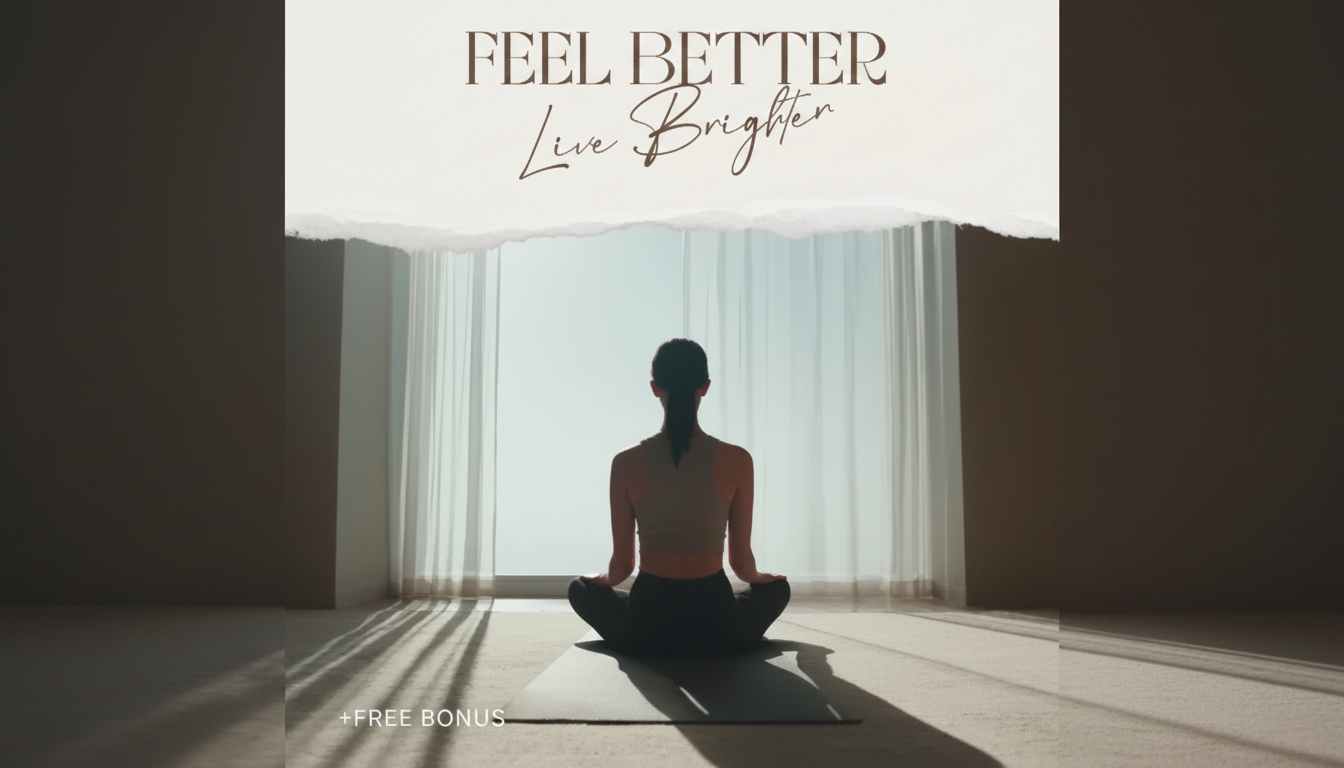
Small, repeatable actions can make mental health support feel doable on busy days. A checklist approach keeps things simple: you notice what’s happening, choose one next step, and repeat what works. Over time, those tiny choices can support steadier energy, clearer thinking, and more emotional resilience—without requiring a total lifestyle overhaul.
When life feels loud, the fastest way to regain traction is to get specific about what’s going on—without turning it into a big project.
If you want a ready-made page you can keep on your phone or print, Feel Better, Live Brighter: Your Mental Health Action Checklist – Simple Mental Health Tips for a Balanced Life is designed for quick daily use when decision fatigue is high.
These basics are not about perfection—they’re about giving your brain and body more stable inputs so your mood has a steadier floor.
| Area | Simple action | Time needed | When to do it |
|---|---|---|---|
| Sleep | Set a fixed wake time | 1 minute | Every morning |
| Food | Add a protein snack (yogurt, nuts, eggs) | 2 minutes | Mid-morning or afternoon |
| Movement | 10-minute walk or mobility routine | 10 minutes | Lunch or after work |
| Sunlight | Step outside and look at the sky | 5 minutes | Morning |
When stress spikes, the goal is not to “solve everything.” It’s to interrupt the spiral long enough to regain choice.
For more on practical stress coping tools, the CDC’s coping with stress guidance offers clear, evidence-informed steps that pair well with a daily checklist.
Overwhelm often comes from too many open loops. Clarity practices don’t add work—they reduce mental load.
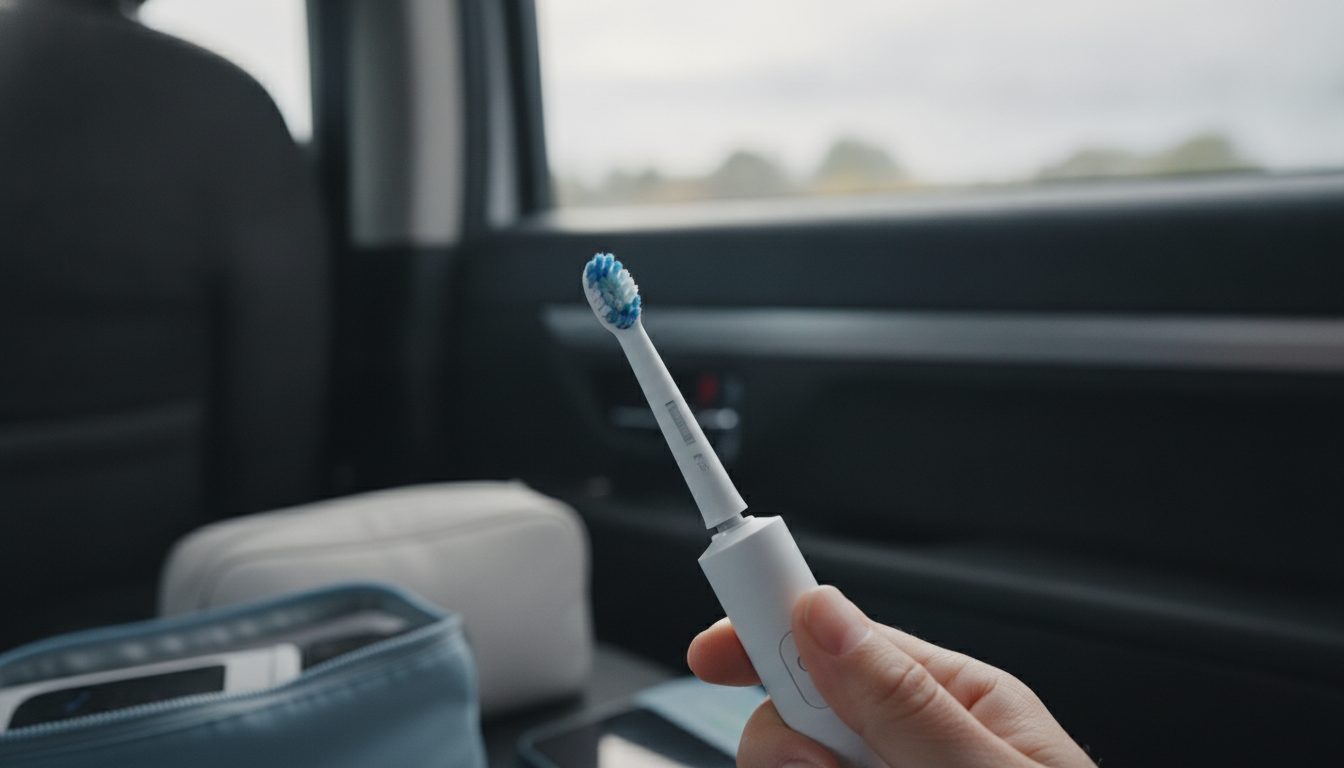
One surprisingly supportive clarity habit is anchoring your morning and night routine with something automatic. A simple hygiene routine can become a dependable “start/stop” signal for the day—tools like the Sonic Electric Toothbrush can help make that routine feel more consistent with less effort.
Humans regulate better with safe connection and clear limits. Both can be low-effort and still meaningful.
When stress becomes chronic, it can help to revisit what stress is doing to your body and behavior and choose a few skills to practice. The American Psychological Association’s stress resources are a strong reference for practical strategies.
A weekly review is where small habits turn into reliable support. Keep it brief and kind—this is pattern-spotting, not self-criticism.
For a broad overview of mental health and why it matters across the lifespan, the World Health Organization’s mental health topic page is a helpful starting point.
If you want a quick, organized template you can reuse daily, Feel Better, Live Brighter: Your Mental Health Action Checklist – Simple Mental Health Tips for a Balanced Life is a simple, low-cost way to keep your action steps in one place.
Focus on one body-based reset (breathing or a short walk), one stabilizer (water plus a snack), and one small next step written down. Keep the goal to 10 minutes or less so it feels doable.
Some actions can help right away (like slower breathing, a brief walk, or grounding). More steady improvements often show up over a few weeks when sleep timing, routines, and support stay consistent.
If symptoms persist, worsen, affect daily functioning, or include safety concerns, it’s time to reach out to a clinician or licensed mental health professional. If there’s immediate risk or someone feels unsafe, seek urgent local emergency help right away.





Leave a comment