Pet Baby Bear? Laws, Risks, and Better Alternatives
Can you get a pet baby bear?
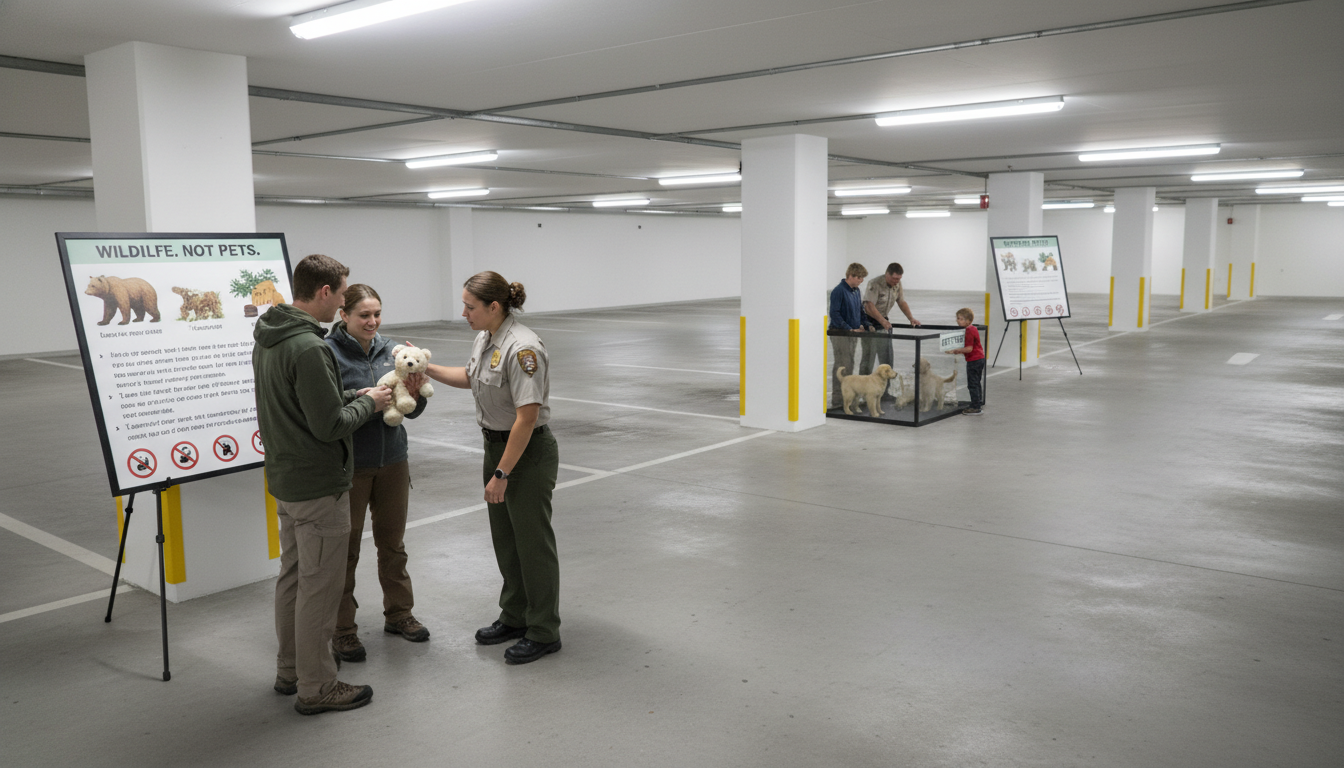
No—keeping a baby bear as a pet is not a realistic or responsible option for most people. In many U.S. states, private ownership of bears is illegal or heavily restricted, and permits (when they exist) are typically limited to accredited facilities such as zoos, sanctuaries, or licensed wildlife rehabilitators. Even when a bear is small and looks “tame,” it remains a wild animal with complex needs and unpredictable behavior.
Why baby bears don’t make safe pets
A bear cub may seem manageable at first, but bears grow quickly and become extremely strong. Their natural behaviors—climbing, digging, biting, and testing boundaries—can cause serious injury and property damage. Unlike domesticated pets, bears aren’t bred over generations to live comfortably alongside people, and their stress responses can escalate suddenly when startled, frustrated, or overstimulated.
Legal and ethical realities
Wildlife laws vary by location, but they often prohibit owning native wildlife or require strict licensing, inspections, specialized enclosures, and documented veterinary care. There’s also an ethical concern: removing cubs from the wild harms their chances of developing normal survival skills and can disrupt local ecosystems. Responsible “rescues” also avoid placing bears into private homes because it frequently leads to neglect, surrender, or euthanasia once the animal becomes difficult to manage.
What to do instead if you love “baby bear” vibes
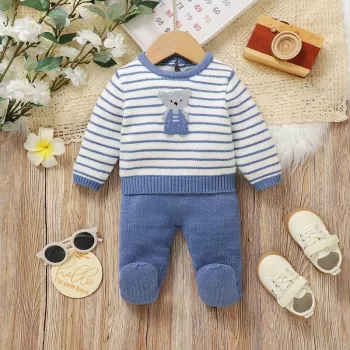
If the appeal is the cozy, cute look—not the reality of owning wildlife—lean into bear-themed comfort safely. Soft fabrics, warm layers, and adorable bear-inspired outfits capture that snuggly feel without the risks. For a charming, bear-cub aesthetic for little ones, check out the cozy set featured here: https://devicescollection.com/guide-baby-bear-knit-sweater-pants-set-cozy-infant-outfit/.
FAQ
What animals are legal alternatives to a bear for people who want an exotic pet?
Legal options vary by state and county, but domesticated pets (cats, dogs, rabbits) are the safest choice. If you want something unusual, research local regulations for small exotics like certain reptiles or birds and be prepared for specialized care.






Leave a comment