Waterproof Stainless Steel Quartz Watch for Business Men
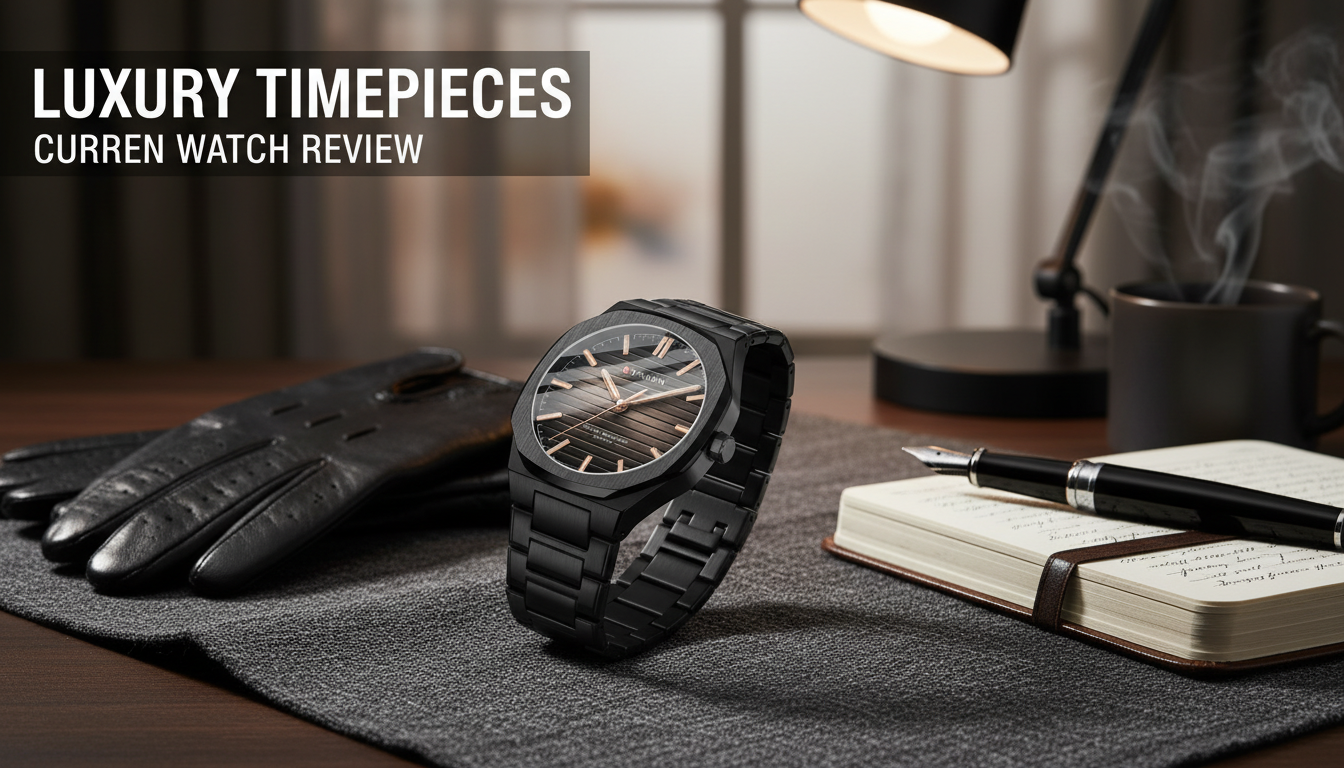
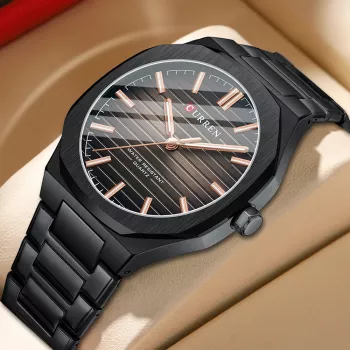
Luxury Men’s Quartz Watch: Waterproof Stainless Steel Business Wristwatch
A stainless steel quartz watch can deliver a polished business look without demanding constant upkeep. A well-made waterproof men’s quartz wristwatch is designed to stay sharp through office hours, commutes, and travel days—while keeping time accurately with minimal fuss. Below is a practical guide to how this style of watch wears, what key features mean in real use, and what to look for when choosing the right fit for meetings, events, and everyday life. For more guidance, see Quartz Watch Men AAA Lululemon Steel Strip Band Luminous ….
What Makes a Business Wristwatch Feel “Luxury”
“Luxury” in a business watch is often less about flash and more about refinement. A dial that’s clean and easy to read helps during meetings, presentations, and quick schedule checks on the move. Stainless steel elevates the look with a crisp, professional finish that pairs naturally with tailoring. For further reading, see SAPPHERO Watch for Men Silver Stainless Steel Mens Watches ….
Comfort and proportions matter, too. A watch that’s balanced on the wrist and slides under a shirt cuff without snagging tends to get worn more often—and feel more premium in daily use. Quartz timekeeping adds to that “set it and forget it” confidence, while small details (brushed/polished contrast, a solid clasp, and neatly aligned markers) are the difference between “nice” and “noticeably elevated.”
Quartz Movement Benefits for Everyday Use
Quartz watches are popular for business wear because they’re straightforward and dependable. They typically deliver consistent accuracy that suits time-sensitive routines—commutes, calls, and calendar-heavy days—without frequent adjustment.
Ownership is simple: the battery powers the movement, and service is usually limited to battery replacement and periodic checks if the watch is used around water. Another advantage is convenience after time off the wrist: a quartz watch generally starts immediately, rather than needing winding or motion to build power. Many quartz designs also achieve slimmer profiles than mechanical alternatives, which supports a dressier silhouette and easier cuff clearance.
Waterproof vs. Water-Resistant: How to Use It Safely
Most watches marketed as “waterproof” are technically water-resistant to a specific standard and test level. The safest approach is to check the stated rating and match it to real activities—handwashing is very different from swimming, and both differ from hot showers.
To protect seals and avoid moisture intrusion, don’t press buttons or adjust the crown while the watch is wet unless the design explicitly supports underwater operation. After saltwater or chlorinated pool exposure, rinse the watch with fresh water (when appropriate for its rating) and dry with a soft cloth. Keep in mind that gaskets age over time; periodic inspection helps maintain water protection. For deeper background on standards and testing, see ISO 22810: Horology — Water-resistant watches.
| Marking / Rating | Typical meaning | Good for | Better to avoid |
|---|---|---|---|
| 3 ATM / 30 m | Basic splash resistance | Handwashing, light rain | Showering, swimming |
| 5 ATM / 50 m | Improved daily protection | Short water contact, occasional splashes | Swimming for long periods |
| 10 ATM / 100 m | Stronger recreational protection | Swimming, surface water sports | Diving, high-impact water activities |
| 20 ATM / 200 m | Diver-style range (varies by build) | Recreational diving (when designed for it) | Professional dive conditions without certification |
Stainless Steel Case and Bracelet: Comfort, Fit, and Finish
Stainless steel is a go-to for business watches because it looks clean, feels substantial, and holds up well to daily wear. The biggest comfort variable is bracelet sizing. A bracelet that’s properly sized won’t slide down onto the hand, pinch during typing, or constantly knock against a desk edge—small annoyances that add up over time.
Clasp quality matters as much as appearance. A secure clasp should close with a crisp action and stay shut through normal wrist flex. In terms of finish, brushed steel tends to hide small scuffs better, while polished surfaces read more formal but show marks sooner. If skin sensitivity is a concern, frequent cleaning helps; irritation is often caused by trapped sweat, lotion, or residue between links rather than the steel itself.
Styling for Office, Events, and Travel
Quick Care and Longevity Tips
To support consistent timekeeping, store the watch away from strong magnets and extreme heat. Replace the battery promptly when timekeeping slows or stops; leaving a depleted battery in the case for too long can increase the risk of leakage. If the watch sees frequent water exposure, periodic water-resistance checks are a smart habit—especially before vacations or seasons when swimming is common. For a simple overview of how quartz timekeeping works, Britannica’s quartz watch reference is a helpful starting point.
Luxury Men’s Quartz Watch Waterproof Stainless Steel Business Wristwatch: Snapshot
- Luxury Men’s Quartz Watch Waterproof Stainless Steel Business Wristwatch (In stock, $25.67)
- Rechargeable Sonic Electric Toothbrush with USB Charging & Replacement Heads (In stock)
- Sonic Electric Toothbrush (In stock)
FAQ
Can a waterproof stainless steel watch be worn in the shower or pool?
It depends on the watch’s water-resistance rating; “waterproof” usually refers to a tested resistance level (for example, 3 ATM vs. 10 ATM). Hot water, steam, soap, and rapid temperature changes can stress seals, and adjusting the crown or pressing buttons while wet can increase the risk of water intrusion.
How long do quartz watch batteries usually last?
Many quartz watch batteries last about 1–3 years, though some can last longer depending on battery size and features. Replace the battery when the watch stops or shows low-power behavior, and consider professional replacement if preserving water resistance is important.
How should a stainless steel bracelet be cleaned without scratching it?
Use a soft cloth for regular wiping; for deeper cleaning, use mild soap with lukewarm water (only if the watch is suitably water-resistant) and a soft toothbrush to reach between links. Avoid abrasive pads and harsh chemicals, and dry thoroughly to help prevent residue buildup and discomfort.




Leave a comment