Vintage Leather Belt + Gold Buckle: Fit, Style & Care
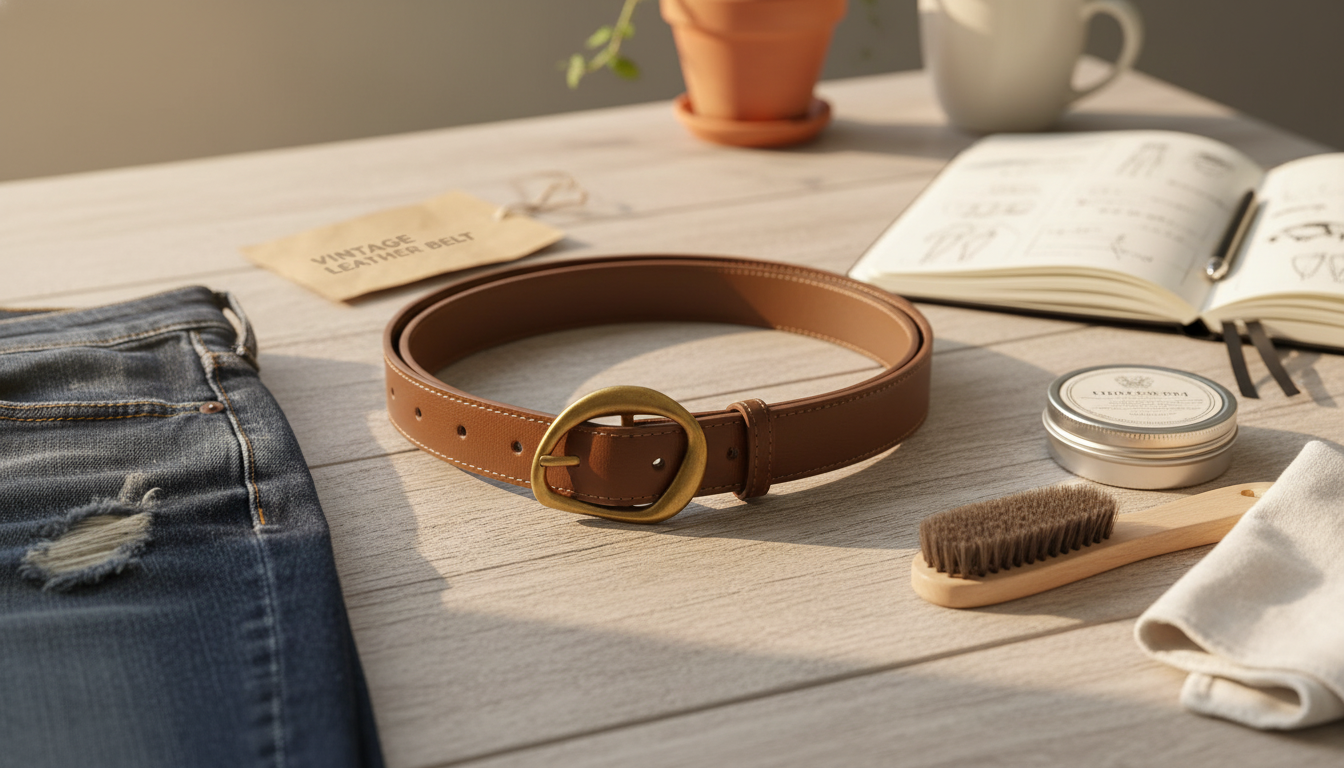
Vintage Leather Belt with Gold Buckle
A vintage-style leather belt can pull an outfit together with minimal effort—especially when paired with a classic gold buckle. The right leather and hardware will look better the more you wear it, picking up subtle character instead of wearing out. Below are the practical details that matter most: what creates a “vintage” feel, how to choose durable materials, how to get a comfortable fit, easy outfit ideas, and simple care habits that help the belt keep its shape and finish. For more guidance, see Brown Leather Belt with Antique Brass Buckle.
What gives a belt a vintage look
A vintage aesthetic usually comes from texture, tone, and small construction choices that feel traditional rather than overly polished. For further reading, see Colt Revolve Belts Vintage Colt Revolvers Brass Western Belt Buckle.
- Natural-looking leather: Leather with visible grain, gentle tonal variation, or a slightly burnished surface reads more vintage than perfectly uniform, glossy leather.
- Gold-tone hardware: A gold buckle adds contrast and a dressier edge. Rounded buckle shapes feel classic, while sharper, angular buckles can skew more modern.
- Edge and stitch details: Thick edge paint often feels contemporary. Burnished edges and restrained stitching tend to look more heritage-inspired and “broken-in.”
- Color pairing: Black leather with gold hardware leans formal and evening-ready. Brown or tan leather with gold hardware feels warmer, retro, and casual.
Materials and build details to check
Comfort is important, but longevity is usually determined by the leather type, thickness, and the way the buckle and holes are finished.
- Leather type: Full-grain and top-grain leather typically develop a richer patina over time. Bonded leather is often less durable, especially at stress points like holes and the fold near the buckle.
- Thickness and flexibility: A good everyday belt balances structure (so it holds shape and supports the buckle) with flexibility (so it doesn’t dig into the waist when sitting).
- Buckle hardware quality: Solid-feeling hardware with a smooth prong helps reduce friction and wear around holes. A buckle that feels lightweight can still work, but it should sit flush and not wobble.
- Holes and reinforcement: Evenly spaced holes with clean punching reduce tearing. A keeper loop keeps the tail neat and prevents it from curling outward.
For background on preserving leather goods over time, the Canadian Conservation Institute’s leather care guidance is a helpful reference. If responsible sourcing matters in your wardrobe decisions, the Leather Working Group provides industry information about leather and supply-chain practices.
Getting the right size and fit
Belts are simple, but sizing is where most frustration happens. The goal is a fit that’s secure without warping the leather or pulling the holes out of shape.
- Measure a belt you already like: Measure from the base of the buckle (where the leather begins) to the hole you use most often, then compare to the sizing guidance for the new belt when available.
- Measure where you’ll wear it: High-waist styling sits at the natural waist, while jeans sit at the hip line. Those two measurements can differ by several inches.
- Aim for the middle hole: The most comfortable everyday fit typically buckles at the center hole, leaving room to tighten or loosen with layers and seasonal changes.
- If you’re between sizes: Size up if you’ll belt dresses, blazers, or coats. If you’ll mostly wear it through jean loops, choose the size closest to your waist/hip measurement for a cleaner tail length.
Quick belt fit checklist
| Where it’s worn | How to measure | Best fit sign |
|---|---|---|
| Jeans/hip line | Measure around hips where belt loops sit | Buckle closes near the middle hole with 2–3 inches of tail |
| Natural waist | Measure at narrowest point above hips | Secure without gaps; belt stays flat when sitting |
| Over a dress/blazer | Measure over the layer you’ll belt | Snug enough to shape, not so tight it creases fabric |
| Coats or chunky knits | Measure over the thickest layer | Room to breathe; buckle doesn’t pull holes out of round |
Styling ideas for a leather belt with a gold buckle
A gold buckle draws the eye, so it works best when it has a “supporting cast” of simple lines and coordinated accessories.
Care and storage to keep the leather looking good
Vintage Leather Belt with Gold Buckle: highlights and everyday use
Shop the featured option here: Vintage Leather Belt with Gold Buckle.
If you’re building a small, practical gift bundle, consider pairing it with a simple accessory organizer like the Embroidery Daisy Pencil Case Large Capacity School Supplies Pouch for everyday carry items.
When a gold buckle belt works best (and when it doesn’t)
FAQ
How should a belt fit for everyday wear?
Aim for the buckle to close on the middle hole, leaving a short tail that reaches the first belt loop. It should sit flat and feel secure without pinching when you sit or bend.
How can leather belts be cleaned and conditioned safely?
Wipe the belt with a dry or slightly damp cloth first, then apply leather conditioner occasionally in a thin layer and buff. Avoid harsh soaps, soaking, and direct heat while drying.
Can a gold buckle be worn with silver jewelry?
Yes—keep the rest of the look simple, or repeat gold elsewhere (like a ring, watch, or bag hardware) so the buckle feels intentional rather than random.





Leave a comment