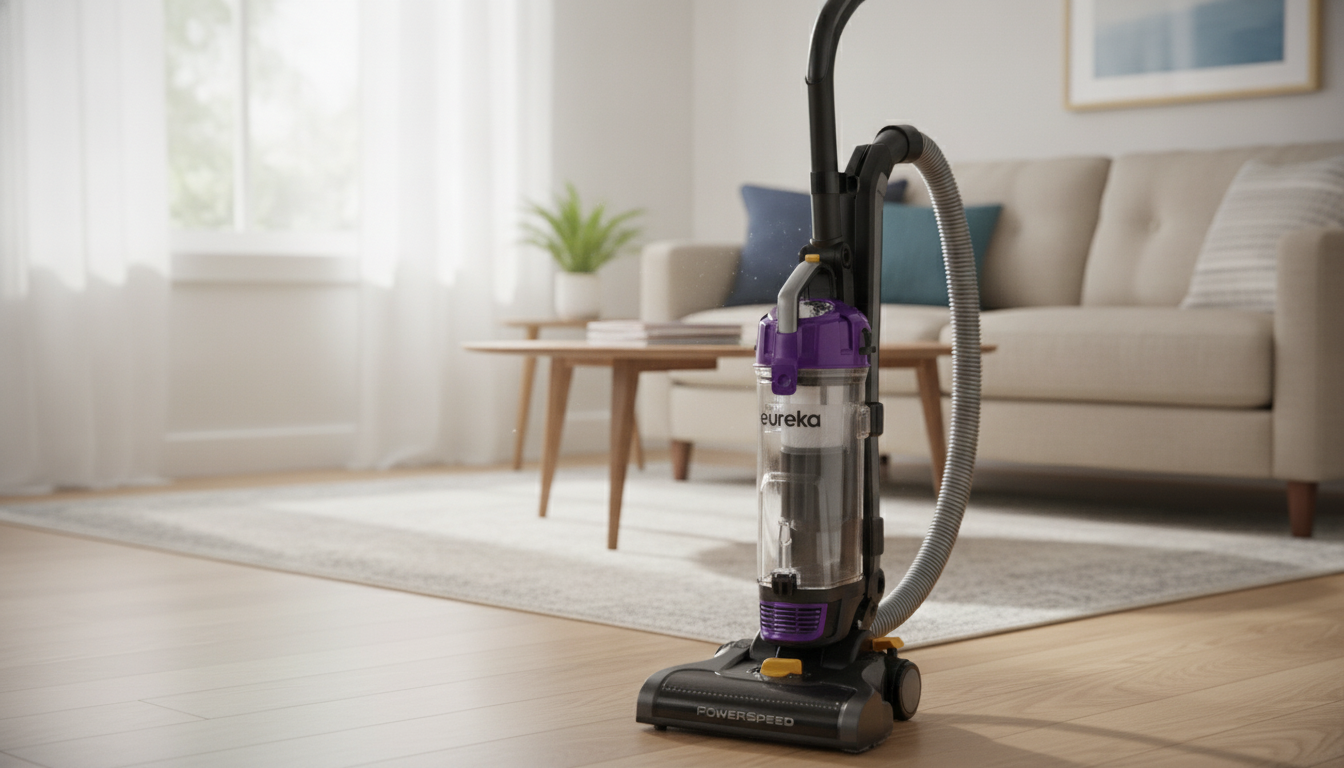
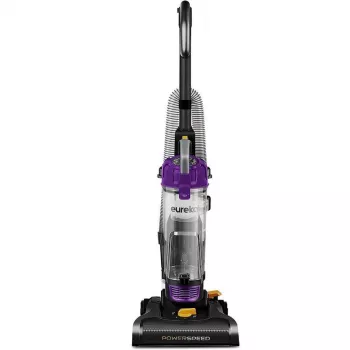
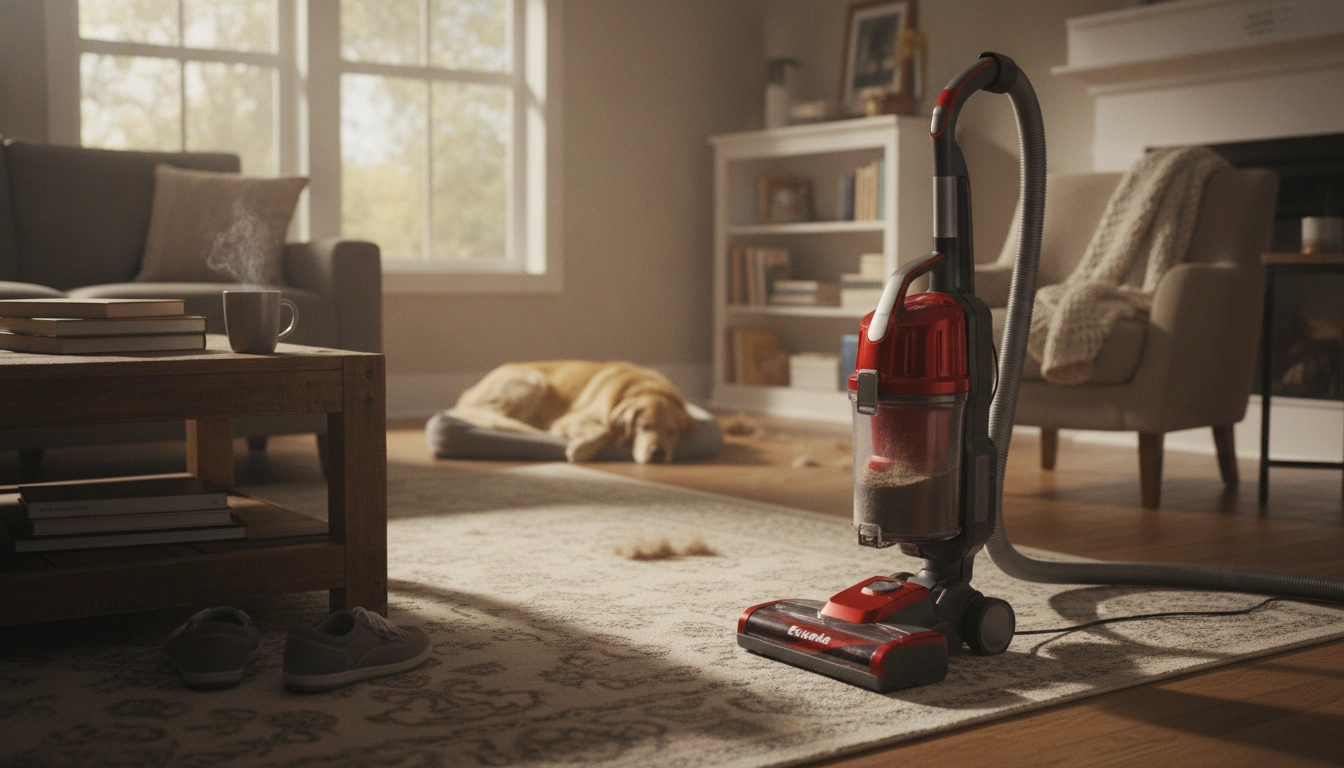
Designed for quick, everyday cleaning without the bulk of heavier uprights, the PowerSpeed lightweight bagless upright pairs a 10 lb build with a roomy 2.6L dirt container and a washable filter to keep maintenance simple. The result is a vacuum that’s easier to grab for routine messes—tracked-in grit, crumbs after dinner, litter scatter near a box—while still offering the familiar coverage of an upright form factor. Below is a practical look at what to expect on common floor types, how to keep suction consistent, and the small habits that make a lightweight upright feel even more efficient over time.
| Feature | Detail | Why it matters |
|---|---|---|
| Weight | 10 lbs | Less strain when lifting, carrying, or moving between floors |
| Dust cup capacity | 2.6L | Fewer trips to the bin during whole-room cleanups |
| Filter | Washable | Can be reused with correct washing and full drying |
| Vacuum type | Bagless upright | No bags to buy; easy visual fill level checks |
| Color | Purple | Distinctive styling; easier identification in shared spaces |
A lightweight upright is especially handy for “maintenance cleaning”—the kind of regular passes that keep debris from building up into a bigger weekend project. If your home has multiple floors, the 10 lb weight can also make it more likely the vacuum actually gets used upstairs instead of staying parked on the main level.
Think of this style of vacuum as a “fast coverage” tool. It’s built to move quickly around open areas like living rooms and hallways and to handle the daily layer of dust and debris that shows up on floors. On thicker carpet, a slower, more controlled pace usually pays off—especially near traffic lanes and under the edge of furniture where lint and hair collect.
A 2.6L dust cup is roomy for everyday cleaning, and that extra space helps reduce “stop-and-go” interruptions. Still, it’s best not to treat the dirt container like a storage bin: as debris piles up, airflow can drop and fine dust can load the filter faster. If your home produces lots of hair or gritty debris (entryways, garages, workshops), emptying a bit earlier can help keep the vacuum feeling consistent from the first room to the last.
The most common “my vacuum lost suction” moment is filter-related. A washable filter is great for long-term costs, but it performs best when it’s clean and thoroughly dry. If you’re vacuuming frequently, it helps to choose a consistent day to check the filter so it never gets to the point where airflow is noticeably restricted. For general indoor air quality guidance while cleaning, the EPA’s resources are a helpful reference: EPA — Indoor Air Quality.
If something suddenly changes—noise, smell, pickup—pause and do a quick inspection rather than pushing through. That simple habit can prevent a small clog from turning into a stubborn blockage. For general safety reminders around appliance use and maintenance, review: CPSC — Vacuum Cleaner Safety Tips.
If the vacuum is used frequently, checking the filter weekly is a practical routine, and cleaning it whenever suction starts to drop helps prevent performance swings. After rinsing, let it air-dry completely before reinstalling.
Yes—2.6L is on the roomy side for convenient, whole-room cleaning and typically means fewer trips to the trash. To protect airflow, it’s still best to empty before the cup reaches the maximum fill line.
Start by emptying the dirt cup, then clean the filter and wait until it’s fully dry. Next, check for clogs and hair wrap in the airflow path and confirm the cup, filter, and seals are seated correctly.


Leave a comment