Pooch Pouch Dog Walking Bum Bag: Treats, Bags & Phone
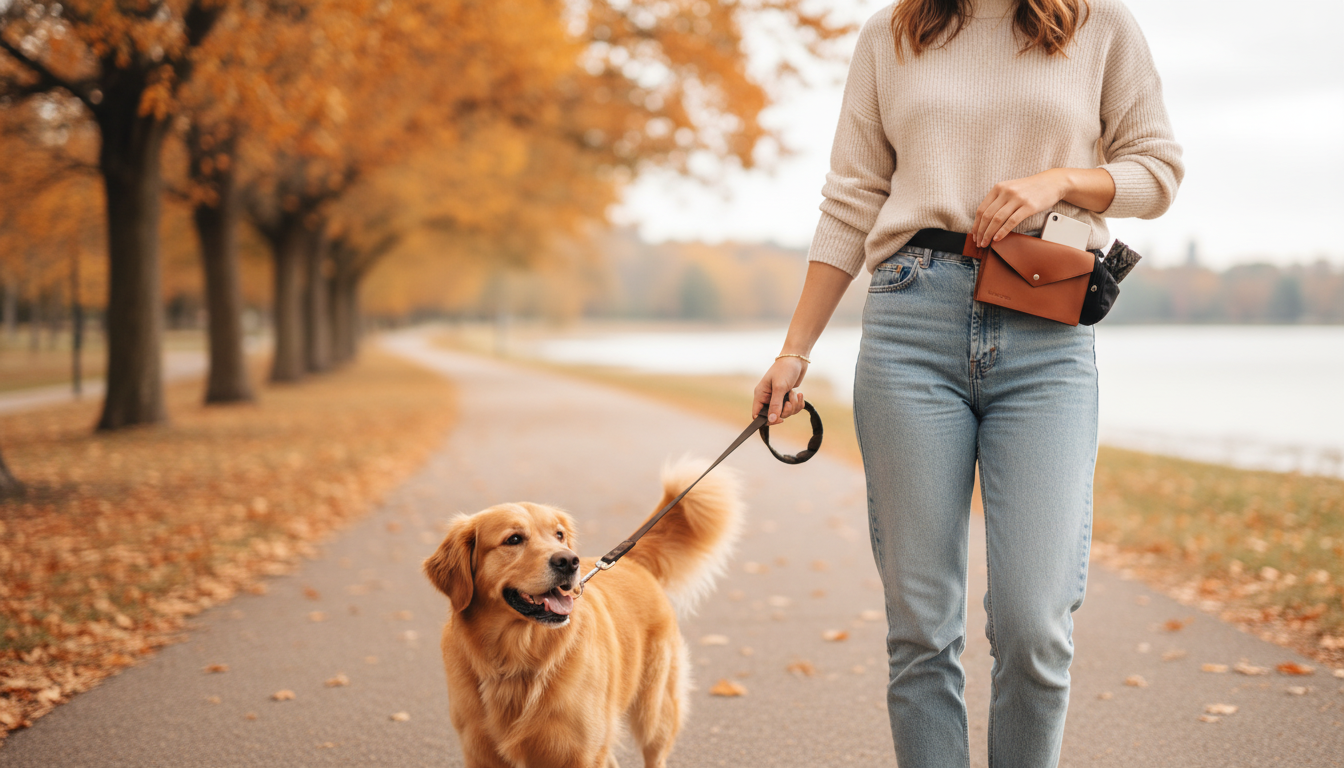
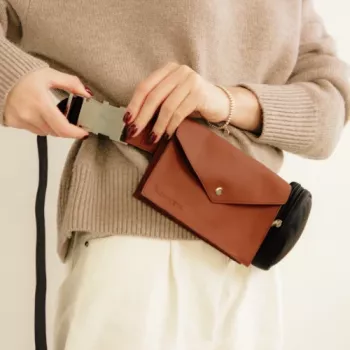
Dog Walking Bum Bag “Pooch Pouch” for Snacks & Poop Bags
A lightweight waist bag keeps treats, waste bags, keys, and a phone within easy reach—without stuffing pockets or juggling extras. A dedicated dog-walking bum bag is especially helpful when rewards need to happen fast, leash handling needs both hands, and cleanup has to be simple. Below are the essentials to look for, how to set up your pouch for smoother routines, and easy care tips to keep everything clean and odor-free.
Why a dedicated walking pouch helps
- Keeps essentials in one place so nothing gets left behind right as you’re heading out.
- Hands-free access to treats for quick rewards that support calmer leash manners.
- Reduces pocket clutter and prevents poop bags or treats from getting crushed.
- Helps separate clean items (phone/keys) from pet items (treats/bags).
Reward-based training is most effective when the reward arrives quickly and consistently. Resources like the ASPCA’s dog training guidance and the American Kennel Club’s walking tips emphasize clear, timely feedback—something that’s hard to do when treats are buried in a coat pocket.
What to carry on everyday walks
- Treats or kibble for training and engagement (ideally in a separate inner pocket or pouch).
- Poop bags with easy-dispense access, plus a backup roll.
- Phone, keys, cards, and a small amount of cash.
- Optional add-ons: clicker, small flashlight, hand sanitizer, compact wipes, tick remover.
If you routinely walk near busy streets or on dim sidewalks, keeping a small flashlight accessible (instead of at the bottom of a bag) can make transitions—like stepping off a curb or checking a paw—much less awkward.
Pooch Pouch overview: practical features for quick access
The Dog Walking Bum Bag “Pooch Pouch” for Snacks & Poop Bags is designed to sit at the waist so items stay close and stable while you walk or jog. That “close-to-body” placement matters when you’re trying to reward a heel, manage a long line, or handle an unexpected distraction without stopping.
- Waist-worn design keeps items stable and easy to reach while moving.
- Dedicated space for snacks/treats and core dog-walk essentials.
- Fits routine neighborhood walks, park loops, and short errands with a dog.
- Pairs well with reward-based training because treats can be reached without fumbling.
Quick checklist for a dog-walking bum bag setup
| Item | Where to store it | Tip to keep it tidy |
|---|---|---|
| Treats/snacks | Main compartment or treat pocket | Use a small washable pouch or liner to prevent crumbs and odors |
| Poop bag roll | Dispenser pocket/slot (if available) or side pocket | Keep a spare roll flattened at the bottom |
| Used waste (temporary) | Separate sealed compartment or clip-on bag holder | Avoid mixing with treats; seal and dispose ASAP |
| Keys/cards | Zippered inner pocket | Attach keys to a small clip to prevent scratching a phone |
| Phone | Back pocket or main zip pocket | Screen facing inward to reduce accidental taps |
A simple “liner” upgrade for treat separation
If you like the idea of keeping treats in their own removable container, a small zip pouch can act as an easy liner. The Embroidery Daisy Pencil Case Large Capacity School Supplies Pouch can work as a dedicated treat-and-wipes pouch inside a larger walking bag—helpful for reducing crumbs and making wash day simpler.
Fit, comfort, and stability
- Adjust the strap so the bag sits snugly at the hips to reduce bouncing.
- Wear slightly off-center to avoid rubbing during longer walks.
- For jogging, tighten and minimize loose strap ends to prevent flapping.
- If multiple people share the pouch, re-adjust before leaving so it doesn’t slide.
A practical rule: heavier items (phone, keys) ride best when they’re closest to your body and centered. Lighter items (bags, wipes) can sit farther out without making the pouch swing.
Walk routines that make training easier
- Pre-load treats in small quantities to reduce mess and keep rewards high value.
- Place poop bags where they can be pulled one-handed while holding a leash.
- Use a consistent “treat pocket” location so rewards are fast and predictable.
- Keep high-value treats separate from everyday snacks to avoid cross-smells and crumbs.
Consistency is the hidden advantage of a walking pouch. When your hand always reaches the same pocket, rewards happen faster—and the dog gets clearer feedback. For leash-walking basics, the AKC’s guidance is a useful reference for building better walking habits with calm, repeatable routines.
Cleaning and odor control
Odor control is mostly about keeping “clean” and “dirty” items from ever crossing paths. For hygiene reminders around pet waste handling, the CDC Healthy Pets, Healthy People resource is a solid baseline—especially if your household includes kids or anyone with a higher infection risk.
When this style of pouch is a good match
For everyday walks where you want a light carry, quick access, and less pocket clutter, a waist-worn option like the Pooch Pouch keeps the routine simple: clip on the leash, grab the pouch, and go.
FAQ
Can treats and poop bags be carried in the same bum bag?
Yes—keep them separated in different pockets, and ideally store treats inside a washable inner pouch or liner. Avoid placing used waste inside the main compartment.
How should a dog-walking bum bag fit to stop it bouncing?
Wear it snug at the hips (not loose at the waist), tighten the strap, and place it slightly off-center. Keeping heavier items close to your body also reduces bounce.
What’s the easiest way to keep the pouch from smelling?
Use a removable pouch for treats, wipe down the interior as needed, and let it air-dry fully before storing. Never keep used waste in the main compartment.


Leave a comment