Smart Snack Ideas Every Kid Will Love: A Digital Checklist for Fun, Nutritious Snacking
Snacks can fill energy gaps between meals, support steadier moods, and make it easier for kids to meet daily nutrition needs. The tricky part is finding options that are quick, appealing, and balanced—without turning snack time into a full production. Below is a simple “digital checklist” approach: pick a couple building blocks, mix and match, and keep a few allergy-aware swaps on standby for busy school days, sports afternoons, and everything in between.
What Makes a “Smart” Snack for Kids
A smart snack is less about perfection and more about dependable building blocks that help kids feel satisfied until the next meal. A helpful guideline is combining at least two of these elements: protein, fiber-rich carbs, healthy fats, and colorful produce.
- Balance for steady energy: Pair protein and/or healthy fats with fiber-rich carbs and produce to help kids stay full longer.
- Limit added sugar most days: Keep ultra-processed, sugary snacks as occasional choices; lean on whole or minimally processed foods.
- Right-size the portion: Aim for “enough to bridge to the next meal,” not replace it—especially close to dinner.
- Hydration counts: Water or milk are often better defaults than sweet drinks.
- Make it easy to say yes: Keep ready-to-grab options at kid height (washed fruit, yogurt, pre-portioned crackers; nuts only for older kids and when appropriate).
Mix-and-Match Snack Builder (Pick 2–3)
| Base (Fiber) |
Protein |
Color/Crunch |
Flavor Boost |
| Whole-grain crackers |
Cheese cubes or string cheese |
Cucumber coins |
Everything seasoning (light) |
| Oatmeal cup (plain) |
Greek yogurt |
Berries |
Cinnamon or vanilla |
| Apple slices |
Nut/seed butter (as allowed) |
Carrot sticks |
Chia sprinkle |
| Tortilla (whole wheat) |
Turkey, beans, or hummus |
Bell pepper strips |
Salsa or lime |
| Rice cake |
Cottage cheese |
Cherry tomatoes |
Black pepper |
Fast Favorites (Under 5 Minutes)
When time is tight, repeatable combinations help. Keep a couple proteins stocked (yogurt, cheese, hummus, beans) and rotate the produce so snacks don’t feel boring.
- Fruit + protein: Banana with peanut butter—or sunflower seed butter for nut-free classrooms.
- Yogurt parfait: Plain or lightly sweetened yogurt, granola, and frozen berries to chill quickly.
- Hummus plate: Hummus with pita triangles and sliced cucumbers or mini peppers.
- Cheese + whole grain: Cheese stick with whole-grain crackers and grapes.
- Trail mix (age-appropriate): Cereal + dried fruit + seeds; avoid whole nuts for younger kids due to choking risk.
- Smoothie “snack size”: Milk or yogurt, fruit, and optional spinach—poured into small cups so it doesn’t replace a meal.
Fun, “Looks Like a Treat” Snacks That Still Nourish
Presentation can do a lot of the heavy lifting. These options feel special but still deliver protein, fiber, and color.
- Frozen yogurt bark: Spread yogurt thin on a tray, top with fruit, freeze, and break into pieces.
- Apple “donuts”: Apple rings topped with yogurt or nut/seed butter plus a sprinkle of granola.
- DIY snack skewers: Alternate fruit, cheese cubes, and whole-grain cereal (use blunt picks or short sticks).
- Mini nachos: Baked tortilla chips with black beans and mild salsa; add avocado if available.
- Breakfast-for-snack: Mini whole-grain waffles with ricotta or yogurt and berries.
Lunchbox-Friendly Options That Hold Up
For school days, aim for snacks that stay tasty after a few hours. If it needs refrigeration, add an ice pack and choose sturdy containers.
- Protein box: Hard-boiled egg (or roasted chickpeas), whole-grain crackers, fruit, and a veggie side.
- Wrap pinwheels: Tortilla with hummus or turkey + lettuce; slice into rounds for bite-size appeal.
- Cold pasta salad cup: Whole-grain pasta, peas, olive oil, and shredded cheese (keep chilled).
- Edamame (shelled) or bean salad: Easy protein and fiber; season lightly.
- Shelf-stable backups: No-added-sugar applesauce pouch, roasted chickpeas, or a lower-sugar granola bar for emergencies.
Allergy-Aware and Sensory-Friendly Swaps
- Nut-free: Try sunflower seed butter, tahini, or yogurt-based dips when school rules restrict nuts.
- Dairy-free: Choose fortified soy yogurt or higher-protein dairy-free options; pair with fruit for balance.
- Egg-free: Replace hard-boiled eggs with beans, hummus, or seed-based snacks.
- Gluten-free: Use corn tortillas, rice cakes, or gluten-free crackers and add a protein for staying power.
- Sensory-friendly textures: Offer “dry + crunchy” (crackers, roasted chickpeas), “smooth” (yogurt, applesauce), or “separate compartments” to reduce stress around mixed foods.
A Weekly Snack Plan That Saves Time
A little structure reduces daily negotiating and last-minute scrambling. Start with a simple pattern and keep the options flexible.
Digital Checklist for Stress-Free Snack Decisions
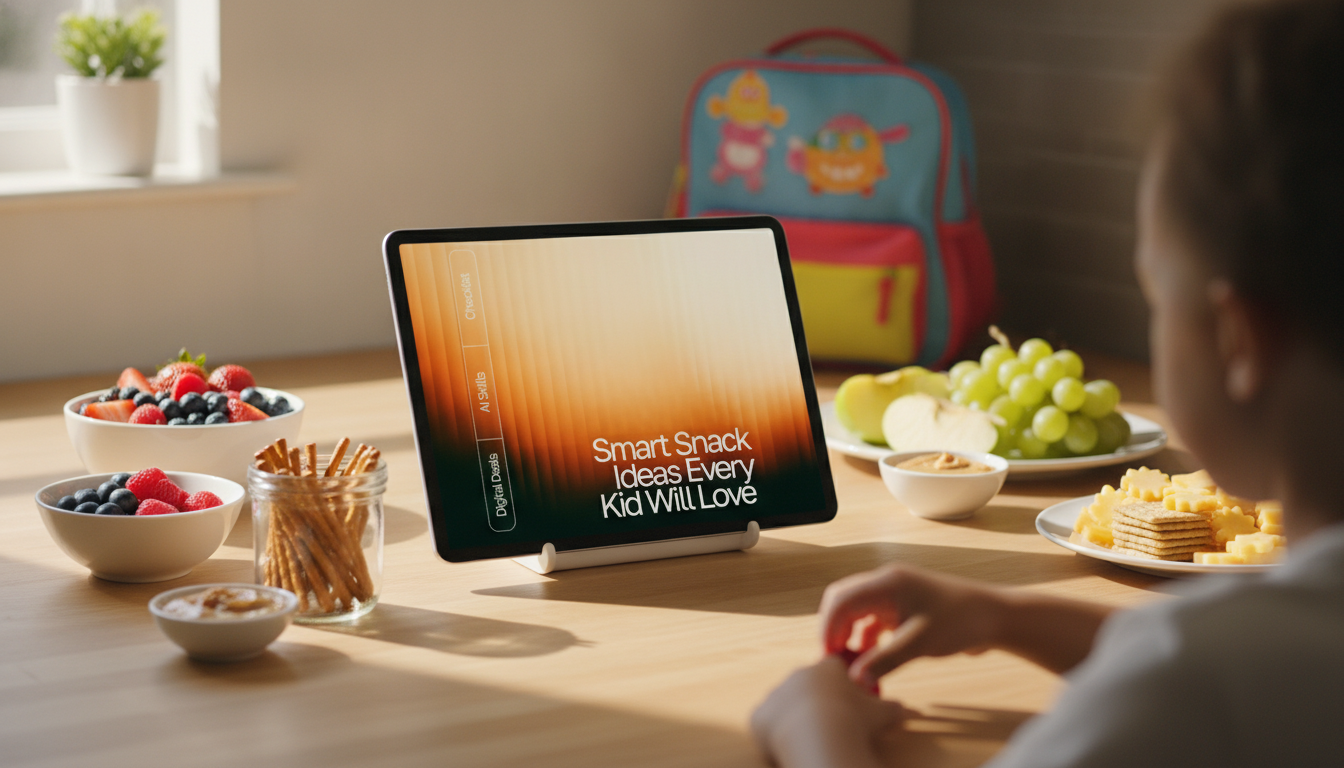
For a ready-to-use format that’s easy to repeat week after week, use the Smart Snack Ideas Every Kid Will Love digital checklist.
Smart Add-Ons: Building Healthy Habits Beyond Snacking
To support consistent brushing at home (especially after sweet or sticky snacks), consider the Rechargeable Sonic Electric Toothbrush with USB Charging & Replacement Heads.
Helpful, Evidence-Based Nutrition Resources
For more kid-focused nutrition guidance and balanced snack ideas, these sources are a solid starting point: USDA MyPlate for Kids and American Academy of Pediatrics (HealthyChildren.org) Nutrition.
FAQ
What are healthy snacks for picky eaters?
Offer familiar favorites with one small “learning” item, keep textures predictable, and use deconstructed plates. Repeat exposure without pressure and pair preferred foods with a simple protein like cheese, yogurt, hummus, or beans.
How many snacks should kids have each day?
Many kids do well with 1–2 planned snacks, depending on age, activity, and meal timing. Use snacks to bridge long gaps and adjust if a snack starts replacing meals.
What are good nut-free school snack ideas?
Try sunflower seed butter with apple, hummus with crackers, yogurt with fruit, cheese with whole-grain crackers, roasted chickpeas, edamame (if allowed), or veggie sticks with bean dip. Always follow classroom allergy rules.
Recommended for you


Leave a comment