Foldable Shoe & Boot Dryer: Timer, UV, Dries 2 Pairs
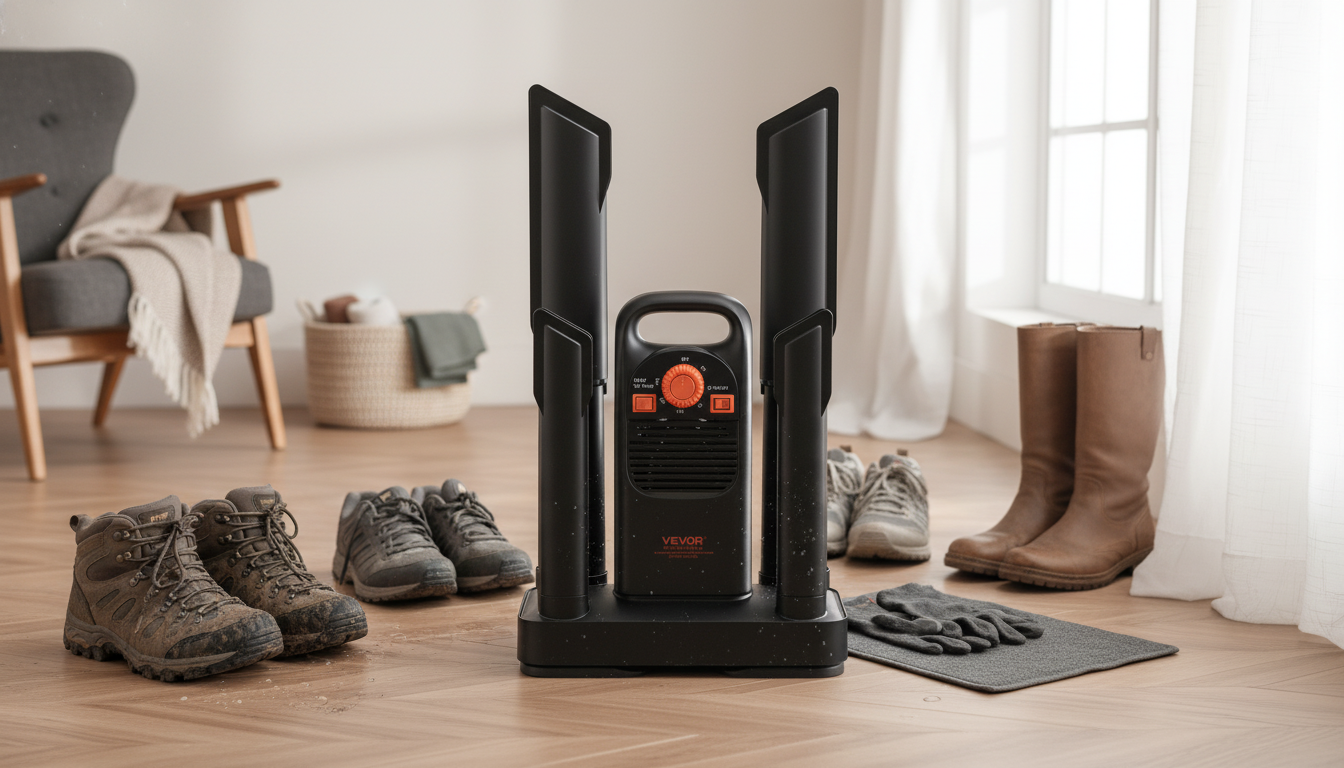
Foldable Shoe and Boot Dryer with Timer & UV – Dries 2 Pairs, Portable Design
Keeping footwear dry helps reduce odor, discomfort, and material breakdown from lingering moisture. A foldable dryer with a timer and UV function is designed to dry shoes and boots efficiently while staying compact enough for closets, entryways, lockers, or travel bags. Whether it’s a soaked sneaker after a storm or damp work boots after a long shift, a consistent drying routine can make shoes feel better, last longer, and stay fresher between wears. For more guidance, see Portable Boot Dryer & Deodorizer – 4-Tube Foldable Design With UV ….
What It Does and When It Helps Most
This type of foldable shoe and boot dryer is built to move warm airflow into the interior where moisture hides—around the toe box, under the insole, and up the boot shaft. That matters because surface-dry doesn’t always mean truly dry, especially after snow, rain, or sweaty workouts. For further reading, see Shoe & Glove Dryer With Timer & Heat Blower.
- Dries moisture from everyday shoes after rain, snow, workouts, or accidental soaking
- Supports taller footwear like boots where airflow is harder to maintain
- Helps curb odor by reducing the damp environment that bacteria and fungi thrive in
- Useful for families or shared spaces by drying up to two pairs in a cycle
- A practical add-on for hikers, runners, commuters, skiers, and anyone in wet climates
Key Features at a Glance
The biggest advantage of a foldable unit is that it can live where you actually need it—near the door, in a closet, or packed for trips—without becoming another bulky appliance. Timer control adds predictability, while UV is a helpful extra for freshness.
Quick spec and use-fit guide
| Feature | Why it matters | Best for |
|---|---|---|
| Foldable body | Stores neatly and packs easier | Apartments, dorms, travel |
| Timer control | Set-and-forget drying without running all day | Daily routines, overnight drying |
| UV function | Supports fresher interiors alongside drying | Gym shoes, work boots, shared storage areas |
| Dries 2 pairs | Reduces waiting time for families or frequent wearers | Households, athletes, shift workers |
| Portable design | Move between entryway, closet, laundry area | Multi-room homes, lockers, cabins |
How to Use It for Better Results
Dryers work best when airflow can reach the dampest zones. A few small habits can noticeably shorten drying time and improve the “fresh” outcome.
- Remove excess water first: shake out footwear and pat with a towel to shorten drying time.
- Open up airflow: loosen laces, pull out removable insoles, and widen boot shafts when possible.
- Place footwear securely: position shoes or boots so the drying elements sit properly and don’t tip.
- Choose a timer setting based on wetness: lightly damp pairs need less time than soaked shoes from puddles or heavy snow.
- For boots: ensure the drying elements reach into the shaft to reduce lingering moisture near the toe box and heel.
- After drying: let shoes cool and air out briefly before storing in closed spaces.
If a pair is still cool and clammy inside after a cycle, it’s often because moisture is trapped under the insole or deep at the toe. Removing insoles and slightly opening the shoe’s “throat” (where the tongue sits) usually solves that.
UV and Hygiene: What to Expect
Drying is the main driver of odor reduction because it removes moisture that fuels microbial growth. UV can complement drying by reducing odor-causing microbes on exposed interior surfaces, which can be useful when shoes are worn frequently or stored close together.
- Drying is the main driver of odor reduction because it removes moisture that fuels microbial growth
- UV can complement drying by reducing odor-causing microbes on exposed interior surfaces
- Best hygiene results come from combining drying with basic care: wash or replace insoles, rotate pairs, and keep storage areas ventilated
- For persistent odor: consider occasional footwear-safe deodorizing powders or inserts alongside regular drying
For general foot-health prevention tips, these resources are helpful: CDC guidance on preventing athlete’s foot and the American Academy of Dermatology’s self-care tips. A consistent “dry, rotate, ventilate” routine is often more effective long-term than occasional deep cleaning alone.
Safety and Material Care Tips
Footwear materials vary widely, and moisture can weaken adhesives and cushioning over time. Timed drying helps you avoid running heat longer than needed while still getting the interior dry.
Who This Dryer Fits Best
Care and Storage for Long-Term Use
Shop In-Stock Picks
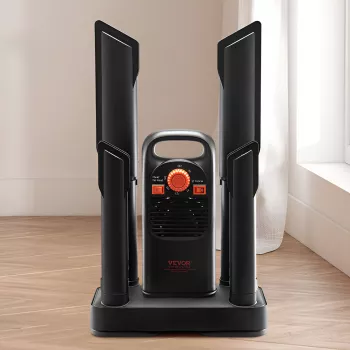
- Foldable Shoe and Boot Dryer with Timer & UV – Dries 2 Pairs, Portable Design
- Rechargeable Sonic Electric Toothbrush with USB Charging & Replacement Heads
- Embroidery Daisy Pencil Case Large Capacity School Supplies Pouch
FAQ
How long does it usually take to dry shoes or boots?
Drying time depends on how wet the footwear is, the materials (breathable mesh dries faster than thicker leather), and whether you remove insoles to improve airflow. Use the timer for lighter dampness, and choose longer settings when shoes are soaked or boots are wet deep inside the shaft.
Is the UV function a replacement for washing or disinfecting footwear?
No—UV can help reduce odor-causing microbes on exposed surfaces, but it doesn’t replace routine cleaning. For best hygiene, keep socks and insoles clean, rotate pairs, and dry shoes thoroughly after wear.
Can it dry two pairs at the same time without reducing performance?
It’s designed to dry two pairs in a cycle, and performance stays strong when both pairs are positioned to avoid blocking airflow. If one pair is much wetter than the other, use a timer setting that matches the wettest pair or dry them in separate cycles for the most consistent results.



Leave a comment