AI for Mental Health: Safe Daily Routines & Mindfulness
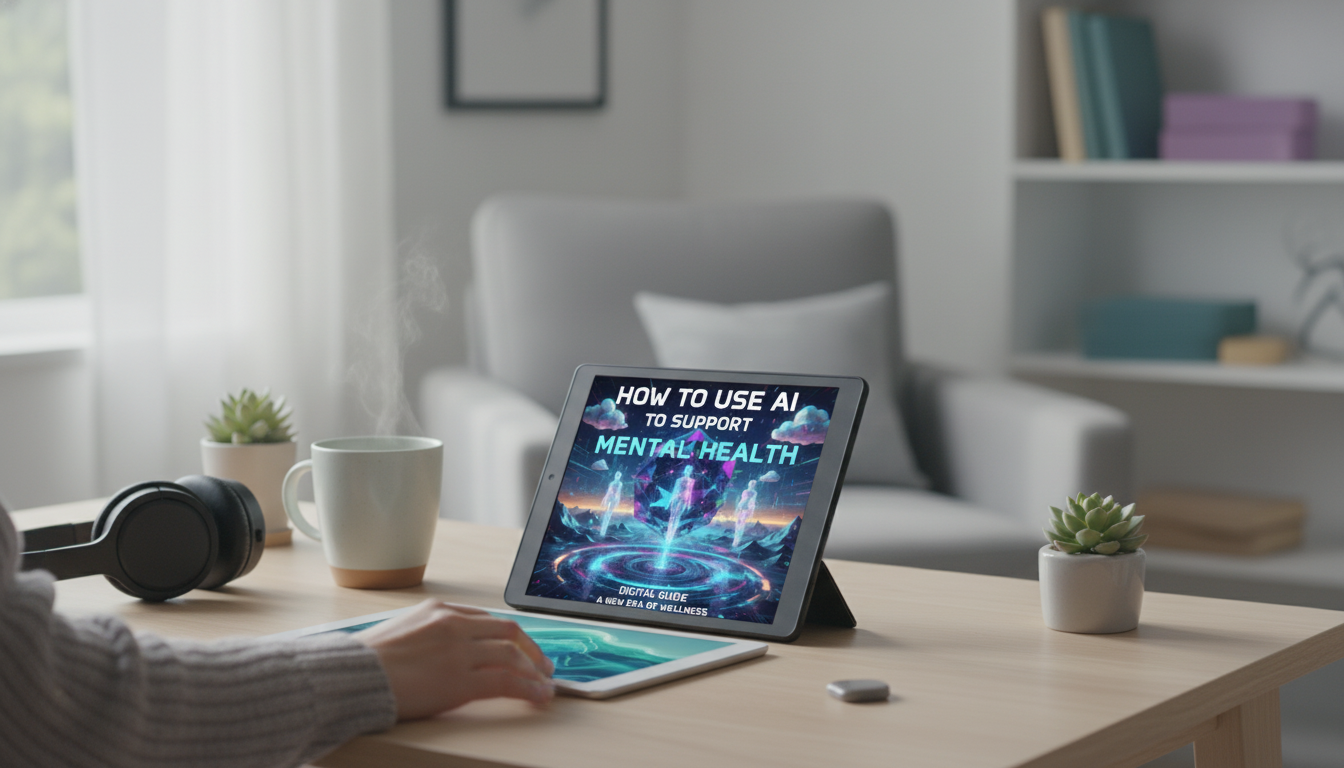
Using AI for Mental Health Support: Practical Routines for Wellness, Mindfulness, and Emotional Balance
AI can support mental well-being by helping with reflection, habit-building, and skill practice—especially when paired with evidence-based approaches and professional care when needed. Used thoughtfully, it can make healthy routines easier to start and simpler to repeat: short mindfulness resets, structured journaling, emotion labeling, and gentle planning that reduces decision fatigue. The goal isn’t to hand your mental health over to a tool—it’s to use it as a steady practice partner while keeping clear boundaries around privacy, safety, and when to seek human help.
What AI Can (and Can’t) Do for Mental Health
AI tends to work best when the task is structured: turning a vague “I feel off” into a few concrete steps you can try right now. It can also help keep momentum going between therapy sessions or during busy seasons when routines slip.
- Supportive uses: journaling prompts, mood tracking, coping-skill practice, reminders, psychoeducation, and planning routines.
- Limits: AI is not a therapist, cannot diagnose, and may miss context or nuance; it can also be wrong or overly confident.
- Best fit: skills practice between sessions, structured self-reflection, and creating consistent wellness habits.
- Safety note: if symptoms are severe, worsening, or include thoughts of self-harm, prioritize professional and emergency support over tools. For help finding care, see NIMH’s “Help for Mental Illnesses” or learn more about therapy basics via the American Psychological Association.
Set Up Safe Guardrails Before Using Any Tool
A strong setup makes AI more helpful and less risky. Think of guardrails as the difference between “support” and “spiral.”
- Choose a privacy approach: decide what’s okay to share and what stays offline (names, addresses, workplace details, identifying trauma details).
- Use minimal data: describe feelings and situations generally; avoid uploading documents or chat logs unless truly necessary.
- Create a personal safety plan: list warning signs, coping steps, and people/places to contact; store it outside the AI tool as well.
- Define boundaries: limit check-ins to specific windows (for example, morning + evening) to reduce rumination loops.
- Use AI as a coach for skills: not as the final authority for medical decisions, medication, or diagnoses.
Daily Practices AI Can Strengthen (Mindfulness, Mood, and Emotional Balance)
When you’re stressed or tired, the hardest part is often starting. AI can lower that “activation energy” by giving you a short script and a clear finish line.
Mindful reset (2–5 minutes)
Ask for a short grounding exercise that fits where you are: 5-4-3-2-1 senses, box breathing, or a quick body scan you can do at a desk, in a car (parked), or in bed.
Emotion labeling
Describe the moment in plain language and request help naming: primary emotion (fear/sadness/anger), secondary emotion (guilt/shame), triggers, and needs. Naming the pattern can reduce intensity and make the next step clearer.
Cognitive reframing
Ask for multiple balanced interpretations of a stressful event, then choose one small action aligned with your values (for example, “send one clarifying email” instead of “fix everything”).
Behavioral activation (“minimum viable day”)
Build a plan with three tiny tasks: one self-care task, one responsibility task, and one connection task. This keeps you moving without demanding a perfect day.
Sleep support
Create a wind-down routine and a plan for nighttime worry (quick brain dump + scheduling time tomorrow to address it). The goal is to signal “not now” to your brain without suppressing concerns.
Social support scripts
A Simple Weekly Routine You Can Reuse
Weekly AI-Supported Wellness Plan (Example)
| Day | Morning (2–10 min) | Midday (1–5 min) | Evening (5–15 min) | Reflection Prompt |
|---|---|---|---|---|
| Mon | Set intention + 3 priorities | 60-second breathing reset | Short journal + gratitude | What felt hardest today, and what did it need? |
| Tue | Body scan + mood rating | Name emotion + one coping step | Plan tomorrow’s first step | What did I do that helped, even slightly? |
| Wed | Values check: pick one value to live | Walk/stretch reminder | Reframe one worry | What’s one balanced thought I can practice? |
| Thu | Self-compassion statement practice | Hydration/meal reminder | Boundary or connection message draft | Where do I need support or rest? |
| Fri | “Minimum viable day” plan | Micro-break scheduling | Weekly wins list | What progress would I acknowledge in a friend? |
| Sat | Mindful activity suggestion | Check-in: tension scan | Digital sunset plan | What restored me today? |
| Sun | Weekly review questions | Plan 1 enjoyable activity | Sleep routine setup | What will I keep, stop, and start next week? |
How to Ask for Help: Prompts That Encourage Healthy Thinking
Common Pitfalls and How to Avoid Them
Using the eBook as a Step-by-Step System
For a structured guide built around these routines, see How to Use AI to Support Mental Health (eBook).
Small Tools That Support Consistent Wellness Habits
- Journaling on the go: keep notes, reflections, and weekly prompts handy with Embroidery Daisy Pencil Case Large Capacity School Supplies Pouch.
- Routine anchoring: pair a 60-second breathing reset with a daily hygiene habit using the Rechargeable Sonic Electric Toothbrush with USB Charging & Replacement Heads.
- Consistency cue: build a “same time, same place” wind-down ritual with the Sonic Electric Toothbrush as a simple evening anchor.
FAQ
Is AI a substitute for therapy?
No. AI can support reflection and skills practice, but it doesn’t replace a licensed clinician for diagnosis, treatment planning, medication questions, or complex situations.
What’s the safest way to use AI when discussing mental health?
Share minimal personal data, set time limits to avoid rumination, use AI for structured coping skills, and keep an offline safety plan. If there’s immediate risk of harm, contact emergency services or a crisis line right away.
How can AI help with mindfulness when motivation is low?
Use micro-practices (60–120 seconds), quick grounding scripts, and gentle reminders that focus on one small action. Success is showing up consistently, not doing long sessions.






Leave a comment