1500W SDS-Plus Rotary Hammer: 4 Modes for Concrete
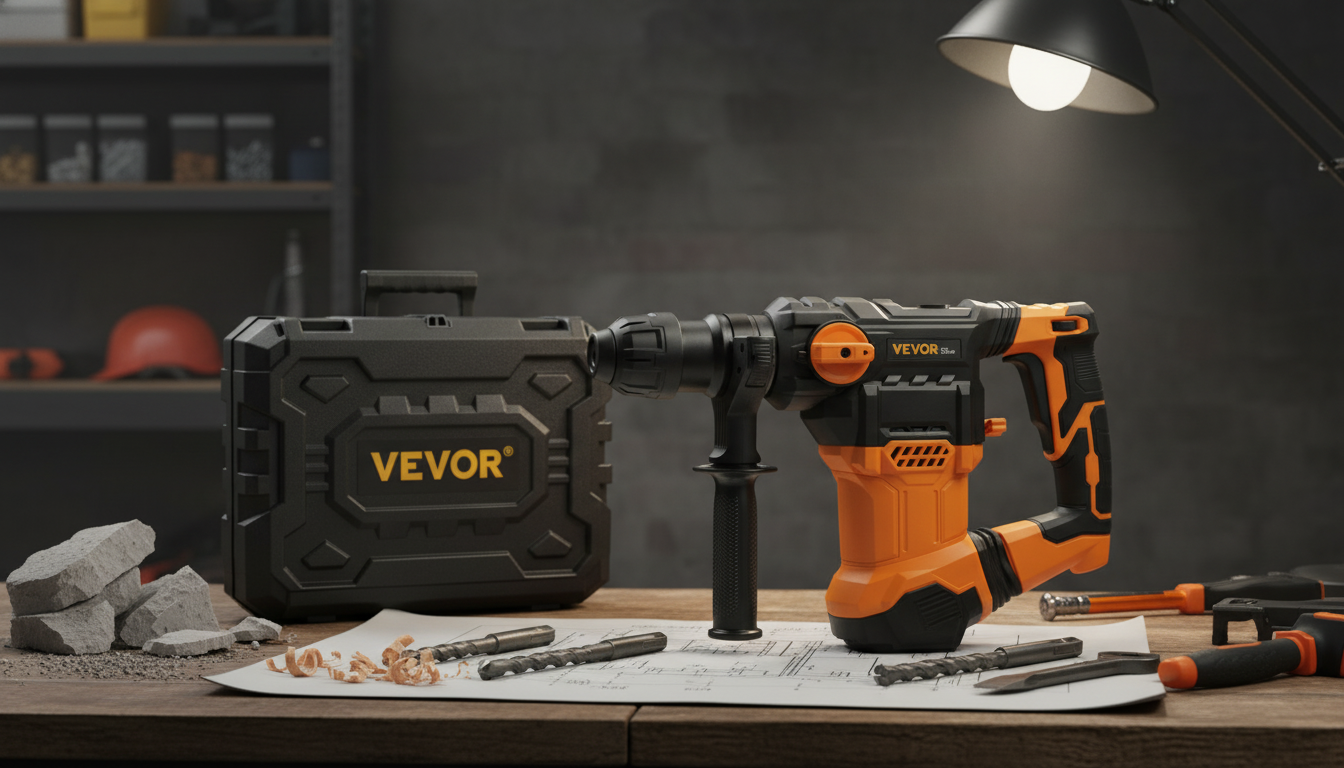
1500W SDS-Plus Rotary Hammer Drill: Corded Power for Concrete Drilling and Light Demo
A corded SDS-Plus rotary hammer can make concrete drilling and light demolition faster and more controlled than a standard hammer drill. This 1500W model combines multiple working modes for common tasks like drilling anchor holes, chiseling out tile, or breaking up small sections of masonry—while keeping power consistent for longer sessions. If the job involves concrete, block, or brick on a regular basis, a rotary hammer’s impact mechanism and SDS bit retention can feel like an immediate upgrade in speed and stability.
What this tool is best suited for
- Concrete and masonry drilling for anchors, rebar dowels (where permitted), and fixture mounting
- Chipping and light demolition: tile removal, mortar chasing, small slab edge cleanup, and masonry adjustments
- Renovation work where steady corded power matters more than portability
- Not ideal for heavy continuous breaking on thick slabs (a larger SDS-Max/demo hammer is a better fit)
Shop in-stock essentials
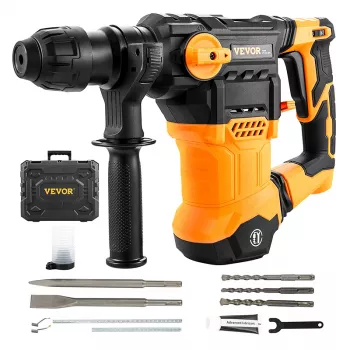
- 1500W Rotary Hammer Drill SDS-Plus Corded Demolition Tool with 4 Modes for Concrete ($64.47)
- Embroidery Daisy Pencil Case Large Capacity School Supplies Pouch (handy for storing small accessories like marking pencils, depth tape, or compact bit organizers) ($12.67)
At-a-glance specs
- 1500W corded motor for sustained output without battery downtime
- SDS-Plus chuck for fast bit changes and secure impact transfer
- Four working modes to switch between drilling and demolition-style tasks
- Designed for concrete-focused work where vibration control, grip, and balance influence results
| Item | Detail |
|---|---|
| Product | 1500W Rotary Hammer Drill SDS-Plus Corded Demolition Tool with 4 Modes for Concrete |
| Power type | Corded electric |
| Rated power | 1500W |
| Chuck type | SDS-Plus |
| Modes | 4 (drilling/hammering/chiseling variations) |
| Availability | In stock |
| Price | $64.47 |
Understanding the 4 modes (and when to use each)
Mode selection is where a rotary hammer earns its keep: the same tool can drill clean holes in concrete, then switch over to controlled surface removal without changing platforms.
- Drill-only: For wood/metal with appropriate non-masonry bits (when the tool supports standard adapters and the task is light). Use this when hammering would damage the workpiece or the bit.
- Hammer drill: For concrete and brick drilling; the main mode for anchor holes and fastener installs. This is the “everyday” setting for most concrete drilling.
- Chisel-only: For tile removal, scraping, and light surface demolition; rotate the chisel for the best working angle if supported.
- Chisel/positioning mode (variation): Aligns the chisel orientation for comfort and cleaner control along edges and corners, especially when chasing mortar lines or lifting tile at a consistent angle.
- Mode switching tips: Stop the tool before changing modes, and verify the selector fully seats to avoid partial engagement.
SDS-Plus: why it matters for concrete work
SDS-Plus is more than a “different chuck”—it’s a system designed around impact drilling efficiency. The shank geometry helps the tool deliver hammer energy while letting the bit move slightly in and out for the impact action.
- Efficient energy transfer: SDS-Plus helps concentrate hammering where it counts, which can reduce the temptation to over-push the tool.
- Fast bit changes: Useful when alternating between drilling and chiseling in the same room (anchor holes first, then surface cleanup).
- Lower wear with basic upkeep: Apply a light coat of SDS shank grease (where recommended) to reduce wear and ease removal.
- Bit choice matters: Quality SDS-Plus bits matched to the material (concrete vs. block vs. brick) typically run straighter and last longer. For a quick technical overview of SDS systems, see Bosch’s SDS primer: SDS Systems Overview.
Performance on concrete: getting clean holes without fighting the tool
Clean anchor holes come from alignment, dust management, and letting the mechanism work at its own pace.
Chiseling and light demolition: control, angle, and pacing
Comfort and handling considerations
Setup checklist before drilling concrete
- Set depth: Mark drilling depth with tape on the bit (or use a depth stop if included) to match anchor requirements.
- Check for utilities: Confirm no embedded electrical, plumbing, or post-tension hazards in the drilling path; use a scanner where appropriate.
- Inspect the bit: Replace bits that are dull, chipped, or overheated—damage slows drilling and increases the chance of binding.
- Use proper PPE: Eye and hearing protection are baseline; silica dust control may require a respirator and dust collection depending on the task.
- Control silica dust: Vacuum extraction or wet methods can reduce airborne dust; consult OSHA guidance for construction silica requirements: OSHA – Respirable Crystalline Silica Standard (Construction).
Care and maintenance for longer service life
When a corded rotary hammer is the right choice
FAQ
What is the difference between an SDS-Plus rotary hammer and a hammer drill?
An SDS-Plus rotary hammer uses a dedicated hammering mechanism designed for concrete, typically drilling faster and with less effort than a standard hammer drill. The SDS-Plus system also locks bits more securely than a conventional chuck, improving impact transfer and making bit changes quicker.
Which mode should be used for drilling anchor holes in concrete?
Use hammer-drill mode for anchor holes in concrete with an SDS-Plus masonry bit sized to the anchor manufacturer’s requirements. Drill square to the surface and clear dust frequently to maintain speed and hit the correct depth.
Do concrete drilling and chiseling require special safety precautions?
Yes—use eye and hearing protection, and manage silica dust with vacuum extraction or wet methods when appropriate. Check for embedded utilities before drilling, and wear a properly rated respirator when dust exposure can’t be kept low.






Leave a comment