Cushioned Folding Camping Chair: Comfort, Cover & Care
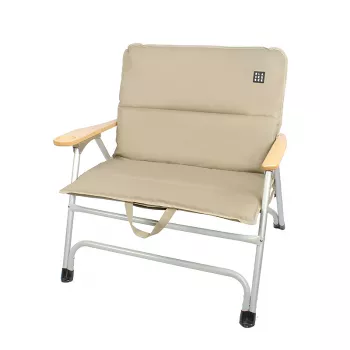
Comfortable Folding Camping Chair with Cushion and Cover
A cushioned folding camping chair can make long evenings at the campsite, sideline games, or backyard fires far more relaxing—especially when it includes a cover for cleaner storage and easier transport. The right mix of padding, supportive angles, and stability helps the chair feel good for hours instead of minutes. Below are the comfort-focused features to prioritize, everyday use cases, quick setup tweaks, and care habits that help your chair stay supportive season after season. For more guidance, see 3 Best Beach Chairs of 2026, Evaluated and Reviewed.
What makes a camping chair feel comfortable
Comfort starts with how the chair supports your body, not just how soft it feels at first sit. Look for these fundamentals: For further reading, see Best Camping Chairs to Kick Back and Relax – Outdoor Union.
- Cushioning that supports pressure points: Seat padding helps reduce discomfort in hips and tailbone during extended sitting, especially on hard or uneven ground.
- A supportive backrest angle: A slightly reclined back that supports mid-to-upper back encourages relaxed posture without forcing slouching.
- Seat width and depth that match the user: Too shallow can feel perched; too deep can press into the back of the knees and reduce circulation.
- Stable frame geometry: A chair that doesn’t wobble feels more comfortable before considering any padding—stability reduces the constant micro-adjusting that causes fatigue.
- Breathable contact surfaces where possible: Airflow matters on warm days; less heat buildup keeps you comfortable longer. For hot-weather tips, the CDC’s guidance on preventing heat-related illness is a helpful reference.
For a broader overview of chair styles and fit considerations, REI’s guide is a practical resource: How to Choose Camp Chairs. For heat safety basics: CDC: Preventing Heat-Related Illness.
Cushion and cover: why these two add everyday convenience
A cushion-and-cover combo isn’t just a “nice to have.” It solves common annoyances that show up in real-world use—dusty parking lots, damp mornings, and gear jammed into a trunk.
- The cushion improves comfort on uneven ground: Thin fabric seats can sag between frame rails; added padding helps keep the seat supportive.
- Easier airing out: Removable or integrated cushions are simpler to dry after a dewy night or after sitting in a vehicle all weekend.
- A cover keeps gear cleaner: Dirt, sand, and moisture stay contained instead of spreading to sleeping bags, coolers, or your car’s upholstery.
- Better off-season protection: A cover helps shield the chair from dust and incidental UV exposure, which can extend fabric and elastic life.
- Smoother transport: Covered chairs slide past other gear with fewer snags and fewer “mystery stains” later.
| Feature | Why it matters | Quick check before buying/using |
|---|---|---|
| Seat cushion thickness | Reduces pressure points on long sits | Sit for 5–10 minutes and check for numbness |
| Back support shape | Helps posture and reduces fatigue | Lean back; note if shoulders and mid-back feel supported |
| Cover quality | Cleaner storage and easier carry | Look for secure closure and durable seams |
| Frame stability | Less wobble, safer on uneven ground | Set on gravel/grass; check for rocking |
| Fabric durability | Resists stretching and tearing | Inspect stitching at stress points and seat edges |
Best uses: from campsite to backyard
A cushioned folding chair shines when comfort and convenience matter more than shaving ounces. Common places it earns its keep:
- Campfire lounging: Extra padding helps during long conversations and cooler evenings when muscles tighten up.
- Tailgating and sideline seating: Quick setup plus a protective cover makes it easier to bounce between parking lots and fields without grime spreading everywhere.
- Beach and lakeside breaks: A cover keeps sand contained in transit; after saltwater exposure, a quick rinse and full dry helps prevent corrosion and odors.
- Backyard and patio overflow seating: It folds away cleanly after guests leave, keeping patios uncluttered.
- Fishing and day trips: When you’re sitting still for long stretches, stability on mixed terrain helps prevent tipping and keeps you relaxed.
Pair that comfort with good outdoor habits—like packing out what you pack in—for a cleaner site and easier teardown. Leave No Trace principles are a solid reminder: Leave No Trace: The 7 Principles.
Setup and comfort tuning in under two minutes
Care and storage to keep the chair comfortable
Featured picks (in stock)
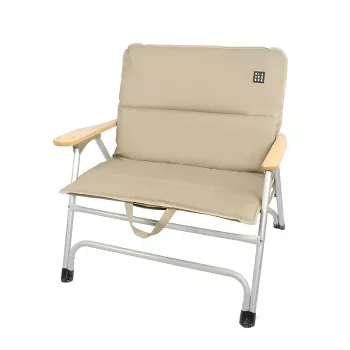
- Comfortable Folding Camping Chair with Cushion and Cover — a comfort-first option for car camping, tailgating, and backyard lounging.
- Rechargeable Sonic Electric Toothbrush with USB Charging & Replacement Heads — a compact add-on for travel kits and multi-day trips.
- Embroidery Daisy Pencil Case Large Capacity School Supplies Pouch — handy for organizing small items like lighters, headlamp batteries, utensils, or first-aid extras.
FAQ
Is a cushioned camping chair worth it compared to a standard fabric chair?
Yes for longer sits: cushioning reduces pressure-point discomfort and helps you stay relaxed at the campsite, tailgates, fishing spots, and sidelines. Minimalists who prioritize the smallest packed size and lowest weight may still prefer a simple fabric sling chair.
How should a folding camping chair be stored to prevent odors or mildew?
Let it dry completely before putting it into the cover, and air out the padding after damp nights or spills. Spot-clean with mild soap and water, then store in a cool, dry place away from direct sun.
Can a folding camping chair be used on sand or uneven ground safely?
It can, as long as you choose the firmest spot available, avoid steep slopes, and check for rocking before fully sitting back. On soft sand or soil, a small mat under the legs helps reduce sinking and improves stability.


Leave a comment