
HomeBlogBlogAdjustable Overbed Table Guide: Comfort, Fit & Features

Adjustable Overbed Table Guide: Comfort, Fit & Features

Adjustable Overbed Table Guide: Comfort, Fit & Features

Adjustable Overbed Table for Everyday Comfort and Care

An adjustable overbed table creates a stable, reachable surface for meals, reading, laptops, and daily essentials while resting in bed or seated nearby. The right design reduces stretching and clutter, supports safer routines for recovery and caregiving, and adapts to changing needs from day to day—whether it’s a quiet morning coffee, a medication schedule, or a work call from a recliner.

What an overbed table makes easier

  • Keeps essentials within arm’s reach for resting, recovery, or long work sessions
  • Supports comfortable positioning for meals, hydration, and medication organization
  • Creates a stable surface for books, tablets, crafts, and journaling
  • Helps caregivers with bedside tasks by reducing repeated bending and reaching
  • Works as a flexible side surface in small spaces where a desk won’t fit

Unlike a lap desk, an overbed table can roll in close and adjust to the right height, so you’re not balancing weight on your legs or twisting to reach items. That steady surface matters most when you’re fatigued, in pain, or trying to keep routines consistent during recovery.

Key features that matter day to day

  • Height adjustment: ensures the top clears bedding and aligns with a seated or reclined position
  • Top size and edge design: enough room for a tray, laptop, or supplies; a raised edge can help reduce items sliding
  • Wheels and locking casters: smooth movement for repositioning; locks help keep the table steady
  • Base shape and under-bed clearance: determines how easily the legs slide under different bed frames and recliners
  • Stability and weight capacity: important for leaning, writing, or placing heavier items like meal trays
  • Tilt or split-top options (if included): helpful for reading or drawing while keeping a flat section for drinks

For computer use, prioritize a height that lets shoulders stay relaxed and forearms feel supported. General workstation ergonomics guidance from OSHA can help you recognize when a setup is forcing wrist extension or a hunched posture.

Fit and placement: getting the right match for the bed or chair

  • Measure bed clearance: check the height of the bed frame and any bars or storage drawers that could block the base
  • Confirm the working height range: the tabletop should sit comfortably above the lap when seated and clear blankets when reclined
  • Consider room layout: allow enough space to roll the table in from the side with the least transfers
  • Wheelchair and recliner use: look for a base that can tuck in close without forcing a twisted posture
  • Flooring: caster performance differs on carpet vs. hard floors; locks are especially useful on smooth surfaces

Quick measurement checklist before buying

What to measure How to measure Why it matters
Under-bed clearance Distance from floor to lowest obstruction under the bed Ensures the base can slide in close
Comfortable tabletop height From floor to elbow height while seated/reclined (approx.) Reduces shoulder strain and hunching
Reach distance How far the tabletop needs to extend over the bed or chair Keeps items accessible without leaning
Turning space Clear path to roll in/out beside the bed Prevents bumps and snagging on furniture

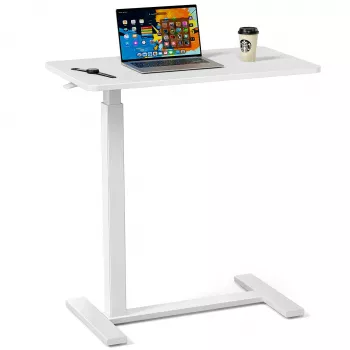
Product option: Adjustable Overbed Table

  • Designed to roll into place over a bed for flexible, close-up access
  • Adjustable height supports different bed heights and sitting positions
  • Useful as a bedside work surface for meals, reading, laptops, and daily items
  • In stock; a practical pick for recovery setups, caregiving, and small rooms

At-a-glance details

Item Details
Product Adjustable Overbed Table
Price $53.82 USD
Availability In stock
Product page https://devicescollection.com/adjustable-overbed-table/

Helpful add-ons for a tidy bedside routine

A well-set overbed table becomes even more useful when small daily-care items are easy to find and don’t crowd the main surface. These in-stock options can support a cleaner, calmer setup:

Setup and daily use tips

  • Adjust height before placing heavy items: set the tabletop where wrists and forearms rest comfortably.
  • Lock casters when eating or typing: helps prevent drift and accidental spills.
  • Balance the load: place heavier items near the center to reduce tipping risk.
  • Keep cords managed: route laptop or charger cables away from wheels and walking paths.
  • Create a bedside “station”: use a small bin or pouch for remotes, glasses, and chargers to reduce tabletop clutter.

If caregiving is part of the household routine, having a predictable “home” for items (water, tissues, notepad, thermometer) can reduce last-minute searching. Practical caregiving guidance and support resources are also available through MedlinePlus.

Cleaning, maintenance, and safety

For disinfecting best practices, refer to the CDC guidance on cleaning and disinfecting, especially when an item is shared between a patient and caregiver.

Who benefits most from an adjustable overbed table

FAQ

Will an adjustable overbed table fit under any bed?

Not always—measure the under-bed clearance and check for obstructions like drawers or crossbars. A compatible base needs enough room to slide under so the tabletop can reach over the mattress.

How do wheels and locks affect daily use?

Wheels make it easier to position the table close to your body, while locking casters help keep it steady during meals, writing, or laptop use. Locks can also reduce accidental drifting that leads to spills or strain.

How should the tabletop height be set for comfort?

Set the surface so forearms can rest comfortably without raised shoulders or a hunched back. Account for blankets and recline angle so items remain easy to reach without leaning.

Was this article helpful?

Yes No
Leave a comment
Top

Shopping cart

×