Sonic Toothbrushes: What Dentists Recommend

Do dentists recommend a sonic toothbrush?
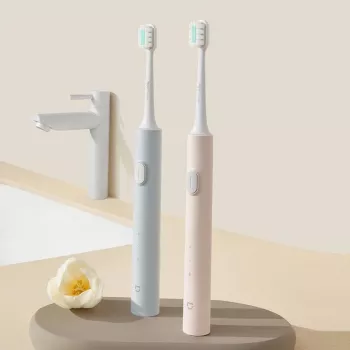
Many dentists do recommend sonic toothbrushes because they can make daily brushing more effective and more consistent for a wide range of users. The rapid vibrations help create fluid movement around the teeth and along the gumline, which can improve plaque removal in areas that are easy to miss with a manual brush. For people who struggle with brushing thoroughly—or who brush too aggressively—sonic models can also encourage a gentler technique when paired with pressure sensors and timers.
That said, dentists typically recommend the right tool for the person, not a single “best” brush for everyone. A sonic toothbrush is often suggested for patients with braces, tight spacing, mild gum inflammation, or a history of plaque buildup, since these situations benefit from better reach and more uniform cleaning. If someone already has excellent manual technique and brushes for the full two minutes twice daily, a manual toothbrush can still be perfectly acceptable.
What dentists like about sonic toothbrushes
Dental professionals often point to features that improve brushing habits: built-in timers to reach a full two minutes, quadrant pacing to avoid rushing, and pressure control to protect gums and enamel. Consistency matters as much as power—sonic brushes can reduce the common problem of uneven brushing where some teeth get more attention than others.
When a sonic toothbrush may not be the best pick
If gums are very sensitive, it may take a short adjustment period, and choosing a soft brush head and lower intensity setting can help. The biggest downside is usually cost, plus the ongoing expense of replacement heads. For some people, a quality manual brush and good technique (plus flossing or interdental cleaning) is a more practical plan.
How to choose one your dentist would approve of
Look for soft bristles, a comfortable handle, a two-minute timer, and a pressure sensor. Replace the brush head about every three months (or sooner if bristles splay). For a deeper dive into pros, cons, and what to look for, see the full guide here: Do dentists recommend a sonic toothbrush?
FAQ
Is a sonic toothbrush better for gum health than a manual toothbrush?
Often, yes—especially if it helps someone brush gently and consistently along the gumline. A soft head, light pressure, and a full two minutes of brushing are the biggest factors for healthier gums.




Leave a comment