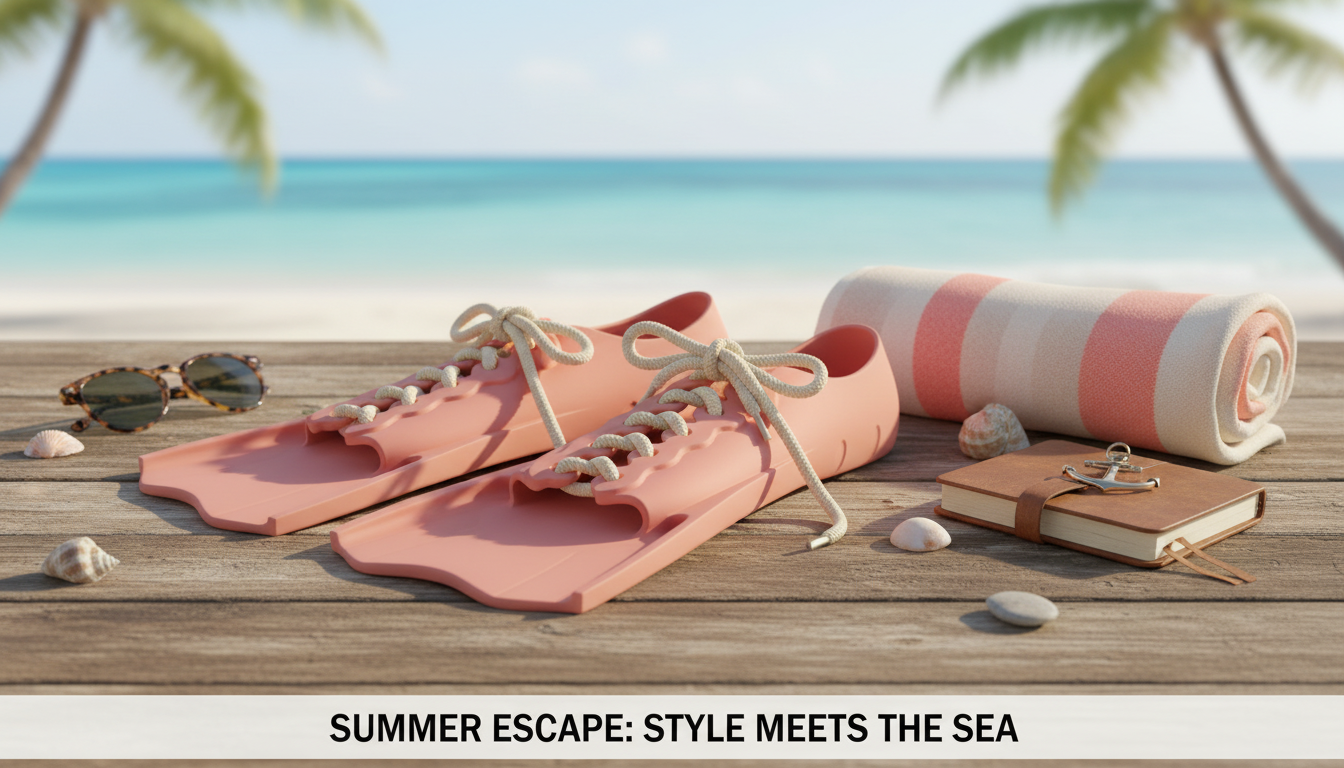
Short-blade fins built from silicone are a go-to choice for divers and snorkelers who want quick maneuvering, stable propulsion, and a comfortable fit over longer sessions. Their compact profile makes them easy to travel with, while the shorter blade can encourage a faster, more controlled kick cadence—especially useful around reefs, in swim lanes, and in other places where long fins feel awkward. Below is a practical guide to how professional short silicone fins tend to perform, what to look for in fit and sizing, and how to keep them feeling great season after season.
Short fins shine when the goal is control rather than maximum straight-line speed. They’re a strong match for activities where quick adjustments matter more than long, gliding strokes.
Silicone-focused fins are often chosen for comfort. While each fin’s design and stiffness still matter, silicone commonly supports a smoother “contact feel” and a forgiving fit.
For water safety and situational awareness, follow reputable guidance like Divers Alert Network (DAN) snorkeling safety resources. When snorkeling near reefs, practicing responsible recreation supports fragile ecosystems—see NOAA’s coral reef conservation information for helpful context.
Blade length changes how effort translates into movement. Short blades tend to feel quick and stable, while long blades are built for more glide and top-end thrust in open water.
| Feature | Short Silicone Fins | Long Fins |
|---|---|---|
| Best for | Maneuvering, training, travel | Distance, speed, open-water efficiency |
| Kick style | Higher cadence flutter, quick adjustments | Slower cadence, powerful strokes |
| Handling in tight spaces | Excellent | Can be awkward |
| Packing and transport | Easy | Less convenient |
| Typical feel | Responsive, stable | Powerful, gliding |
Fit is where comfort and performance meet. Even a great blade design can feel inefficient if the foot pocket slips or pinches.
A quick, controlled-water test (pool or calm shallows) is a smart way to confirm that the fit stays secure once the material is wet and your kick tempo increases.
Short silicone fins are a practical “do-a-lot” option for water time that’s focused on technique, comfort, and easy handling.
If the goal is a compact fin that prioritizes comfort and controlled propulsion, Professional Silicone Short Diving Fins are built around a short-blade profile that suits maneuvering and efficient, quick kicks. They’re also in stock, making them a practical upgrade when you want to refresh a snorkel or dive kit without waiting.
| Item | Details |
|---|---|
| Product | Professional Silicone Short Diving Fins |
| Price | $47.51 |
| Availability | In stock |
| Product page | View details |
Yes—short fins can improve control and reduce fatigue for many snorkelers, especially in shallower water and around reefs. They may not deliver the same maximum speed as long fins, but they’re easier to manage and turn with in tighter areas.
Many silicone foot pockets feel comfortable barefoot, but thin neoprene socks can reduce rubbing and add warmth. If socks make the fit tight or cause toe pressure, sizing up or choosing a different size is usually the better move.
Short blades typically encourage a higher-cadence flutter kick and make quick turns and technique drills easier. Big, slow power kicks often feel less efficient with short fins, so smoother, faster kicks tend to work best.





Leave a comment