Best Family Cars: Safety, Space, and Budget Checklist
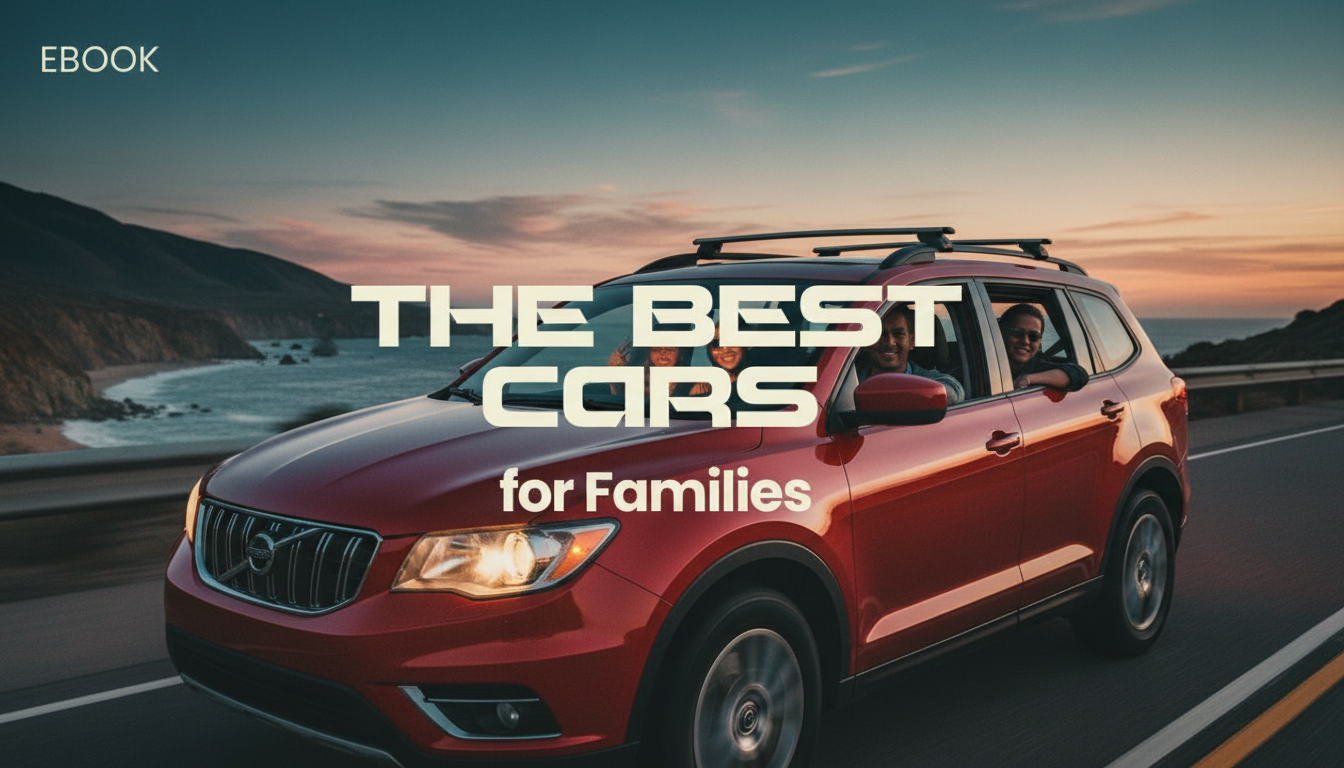
Choosing the Best Cars for Families: Safety, Space, and Budget Tips That Make the Decision Easier
Family cars have to do more than commute: they need to protect passengers, fit real-life cargo and car seats, stay comfortable on long drives, and keep ownership costs predictable. The easiest way to narrow the field is to pick priorities in order—safety first, then space and daily usability, then budget and running costs—so comparisons stay clear even when options look similar on paper.
Start With Non‑Negotiables: Who Rides, What You Carry, Where You Drive
Before comparing trims or powertrains, define your “normal week” and your “busy week.” This keeps you from buying too small (or paying for space you won’t use).
- Count passengers for real life: daily riders plus “extra” scenarios like carpool days, grandparents visiting, friends after practice, or a third child later.
- Map your cargo: stroller size, sports bags, groceries, travel luggage, pet crates, and whether a roof box or hitch carrier is actually realistic for you to use.
- Match your environment: tight urban parking vs. suburban driveways, winter traction needs, and lots of highway miles vs. frequent short trips.
- Decide must-have convenience early: power sliding doors, hands-free liftgate, rear-seat air vents, or second-row captain’s chairs vs. a bench.
Safety Priorities That Matter Most for Families
Safety isn’t just about a single score. Look for strong results in crash protection and the features that help prevent crashes in the first place.
- Verify independent crash-test performance: prioritize strong ratings across front, side, and rollover tests from the Insurance Institute for Highway Safety (IIHS) and the NHTSA Vehicle Safety Ratings.
- Put crash-avoidance tech at the top of your list: automatic emergency braking, forward collision warning, lane-keeping support, blind-spot monitoring, and rear cross-traffic alert.
- Confirm child-safety practicality: accessible LATCH anchors, enough room for correct rear-facing installs, and a rear seat reminder that helps prevent “I thought you had them” moments.
- Don’t ignore visibility: headlight performance, a clear rear camera, and parking sensors can reduce low-speed driveway and parking lot incidents.
Car-Seat Fit and Back-Seat Usability (The Real Test Drive)
A family vehicle can look perfect online and still fail the car-seat test. The fastest way to avoid buyer’s remorse is to test your actual gear.
- Bring your car seats: test rear-facing and forward-facing setups, and confirm you can tighten the install without wrestling the seat belt or LATCH strap.
- Check door opening width and seat height: a higher ride height can reduce bending, but too high can feel awkward lifting an infant carrier.
- Evaluate second-row and third-row access: look for sliding second-row seats or tilt-and-slide mechanisms, and see whether a child can reach the third row without uninstalling a seat.
- Confirm everyday comfort: rear vents, USB-C ports, sunshades, cupholders that hold real bottles, and wipe-clean surfaces matter more than flashy screens.
Space Planning: Passenger Room vs. Cargo Room
Quick Comparison: Common Family Vehicle Types
| Vehicle type | Best for | Watch-outs | Typical sweet spot |
|---|---|---|---|
| Compact SUV | Small families, easier parking, better ride height | Less third-row availability, tighter rear-facing car-seat space | 2 kids, mixed city/suburban driving |
| Midsize SUV | Balanced passenger room and cargo, optional AWD | Third row (if present) may be cramped; higher costs than sedans | 2–3 kids, road trips, winter climates |
| Minivan | Car-seat convenience, sliding doors, maximum usable space | Not everyone likes the styling; can be larger to park | 3+ kids, carpools, frequent loading/unloading |
| Wagon/Hatchback | Lower loading height, efficient packaging, good cargo access | Less ground clearance; fewer models available | 1–2 kids, urban driving, efficiency focus |
| Sedan | Lower purchase price, good fuel economy, easy handling | Less cargo flexibility for strollers/gear; low roofline can be harder with infants | Budget-focused families with lighter cargo needs |
Budget: Purchase Price, Financing, and Long‑Term Costs
To estimate fuel costs realistically, compare EPA ratings and your driving mix at FuelEconomy.gov, then sanity-check the numbers against your weekly mileage.
New vs. Used: How to Reduce Risk
A Simple Shortlist Method (Fast Decision Framework)
Tools That Make Shopping Easier (and Less Repetitive)
- Choosing the Best Cars for Families – Complete eBook Guide to Finding the Best Cars for Families, Safety, Space & Budget Tips (downloadable) helps structure the process with decision worksheets and practical checklists you can reuse for each test drive.
- Embroidery Daisy Pencil Case Large Capacity School Supplies Pouch can double as a compact “car kit” organizer for pens, snack wipes, spare charging cables, and registration/insurance paperwork when you’re moving between vehicles.
- Rechargeable Sonic Electric Toothbrush with USB Charging & Replacement Heads is a simple road-trip upgrade for families who do early departures, sports weekends, or frequent overnights.
FAQ
Is a minivan safer than an SUV for a family?
Safety depends more on crash-test performance and standard safety equipment than on body style alone. Minivans can be very family-friendly because sliding doors reduce parking-lot risks and car-seat access is easier, while many SUVs offer strong crash protection and available AWD; compare IIHS/NHTSA results and the exact safety tech on the trim you’re buying.
What should be checked when installing a rear‑facing car seat in a new vehicle?
Confirm LATCH anchors are easy to reach (or that the seat belt path is straightforward), verify the recline angle, and see how much front-seat legroom is lost. Also check door opening size for loading, your ability to tighten the install correctly, and whether the center position is usable without crowding other passengers.
How much should be budgeted beyond the purchase price for a family car?
Plan for insurance, fuel/charging, maintenance, tires, registration/taxes, and parking costs. Many families also spend on practical add-ons like all-weather mats, a cargo liner, or roof/hitch accessories if they’ll actually be used.







Leave a comment